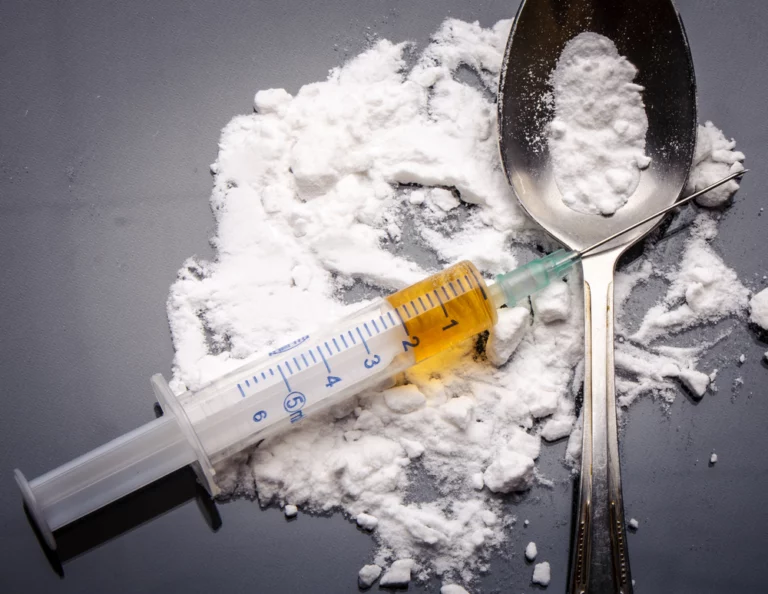
In today’s fast-paced and often overwhelming world, the constant pressure to manage stress, anxiety, and emotional pain drives many individuals toward self-medicating as a quick but risky coping mechanism.
Whether it’s alcohol, prescription drugs, or other substances, self-medicating may provide temporary relief, but it often masks deeper issues while creating new ones. The cycle of self-medicating can be deceptive—what starts as an occasional escape can quickly spiral into dependency, further complicating mental and emotional well-being.
While the desire to seek relief is completely understandable, relying on substances for emotional or psychological stability is not only harmful but also counterproductive in the long run, trapping individuals in a cycle that’s difficult to break.
This guide is designed to help you recognize the subtle and overt signs that you—or someone you care about—might be self-medicating. More importantly, it offers practical strategies and healthier alternatives to break free from this pattern and reclaim control over your life.
For those in Asheville, North Carolina, the good news is that you don’t have to navigate this journey alone. From specialized therapy to supportive community programs, numerous local resources are available to help you move beyond self-medicating and toward sustainable, holistic well-being.

Recognizing Self-Medicating with Substances
Self-medicating refers to the use of drugs, alcohol, or other substances as a way to cope with emotional distress, such as stress, anxiety, depression, or unresolved trauma—all without the supervision of a medical professional. Unlike prescribed treatments, which are carefully monitored for safety and effectiveness, self-medicating is often an impulsive attempt to numb pain, escape reality, or regain a sense of control.
Many who engage in this behavior do so in response to undiagnosed mental health conditions, chronic stress, or untreated emotional wounds, mistakenly believing that substances provide a viable solution. However, what begins as temporary relief can quickly spiral into a harmful cycle, where the original symptoms worsen, and dependency develops.
Over time, self-medicating not only fails to address the root causes of distress but can also lead to addiction, physical health complications, and strained relationships.
Recognizing the signs of self-medicating—such as increased substance use during times of stress, relying on alcohol or drugs to “unwind,” or feeling unable to cope without them—is a critical first step toward breaking the cycle.
Early intervention can prevent the progression to a full-blown substance use disorder and open the door to healthier coping strategies. Professional support, whether through therapy, support groups, or medical treatment, offers a safer and more sustainable path to healing, helping individuals address the underlying issues rather than masking them with substances.
Identifying Signs of Self-Medicating
Recognizing the signs of self-medication can be the first step toward seeking appropriate support and intervention in Asheville.
Common Indicators You Might Be Self-Medicating
Frequent Use to Manage Emotions
Repeatedly turning to drugs or alcohol as a way to manage difficult emotions—such as chronic stress, overwhelming anxiety, persistent sadness, or unresolved trauma—is often a key indicator of self-medicating behavior.
Unlike social drinking or occasional substance use, self-medicating typically follows a pattern where substances become a person’s primary coping mechanism, used to numb emotional pain, escape reality, or temporarily quiet distressing thoughts. For example, someone might drink to calm their nerves after a stressful day, rely on prescription painkillers to dull emotional discomfort, or use stimulants to combat feelings of emptiness or depression.
Over time, this behavior can develop into a dangerous cycle: the brain begins to associate relief with substance use, reinforcing the habit and making it harder to cope without external aids.
What makes self-medicating particularly risky is that it doesn’t address the root causes of emotional distress—instead, it masks symptoms while often worsening them in the long run.
Alcohol, for instance, may temporarily reduce anxiety, but it ultimately disrupts brain chemistry, leading to heightened anxiety (often called “hangxiety”) as it wears off. Similarly, using sedatives or opioids to escape emotional pain can lead to dependence, tolerance, and even overdose.
Recognizing these patterns early is crucial, as prolonged self-medicating can escalate into addiction, complicate existing mental health conditions, and create additional physical and psychological challenges.
If you or someone you know regularly reaches for substances to manage emotions, it may be a sign that healthier coping strategies—such as therapy, mindfulness, exercise, or support groups—are needed. Breaking the cycle of self-medicating begins with awareness, followed by seeking professional guidance to develop sustainable ways of healing.

Increased Tolerance and Dependence
When you find yourself requiring increasingly larger amounts of a substance to experience the same effects you once did with smaller doses, this phenomenon indicates your body is developing tolerance.
This physiological adaptation occurs as your brain and nervous system become less responsive to the substance’s effects, essentially “adjusting” to its presence. Tolerance isn’t just about needing more – it’s a warning sign that your body’s chemistry is changing in potentially dangerous ways.
What begins as tolerance can rapidly progress to dependence, a state where your body begins to rely on the substance to function normally. At this stage, you might notice withdrawal symptoms emerging when you try to cut back or stop, as your system has become accustomed to operating with the substance present. This progression from tolerance to dependence often happens subtly, sometimes before you even realize what’s occurring.
The speed at which this transition occurs varies depending on factors like the type of substance, frequency of use, individual biology, and environmental triggers. Some substances, particularly opioids, alcohol, and benzodiazepines, can lead to physical dependence surprisingly quickly. The danger lies in how this cycle perpetuates itself – as tolerance builds, consumption typically increases, which in turn accelerates the development of dependence and raises the risk of addiction.
Recognizing these early warning signs is crucial because they represent a critical window for intervention. At this stage, it’s often easier to modify usage patterns or seek help before the situation escalates into full-blown addiction. Professional guidance can provide strategies to safely address both the physical aspects of tolerance and dependence, as well as any underlying reasons for substance use.
Avoidance of Professional Treatment
Choosing to manage emotional distress, mental health symptoms, or chronic discomfort through substance use—rather than consulting a doctor or therapist—can be a warning sign of problematic coping habits.
This pattern of behavior frequently stems from a desire to avoid formal diagnosis or clinical treatment, sometimes due to stigma, fear of judgment, or the misconception that professional help won’t be effective. Without proper guidance, individuals may underestimate the risks of their approach, believing they’re simply “taking the edge off” when in reality, they could be masking deeper issues that require attention.
What begins as an occasional attempt to relieve symptoms can evolve into a persistent cycle where substances become the default solution for stress, sadness, or anxiety. Unlike structured treatment plans—which address root causes through therapy, medication management, or lifestyle changes—relying on unregulated substances offers only temporary relief while potentially worsening the original problem.
Over time, this avoidance of professional care can delay proper intervention, allowing symptoms to intensify and increasing the likelihood of developing dependency.
Breaking this pattern requires recognizing that while self-directed coping might feel manageable in the short term, sustainable healing often involves expert support.
Whether due to accessibility barriers, lack of awareness, or personal reluctance, avoiding professional help can prolong suffering unnecessarily. Acknowledging the need for structured care is a crucial step toward long-term well-being, rather than settling for fleeting relief that may come with significant consequences.
Withdrawal from Social and Professional Settings
Isolating from friends, family, or work responsibilities in favor of substance use highlights increased reliance on substances for emotional stability.

Impact on Health and Well-Being
Self-medicating with substances can have profound effects on mental and physical health.
Mental Health Consequences
Aggravation of Underlying Conditions
Using substances to mask symptoms can worsen mental health disorders, leading to more severe episodes of anxiety, depression, or other conditions.
Development of Substance Use Disorders
Prolonged self-medication increases the risk of developing substance addictions, complicating recovery by intertwining mental health and substance use issues.
Physical Health Risks
Damage to Organs
Chronic alcohol or drug use can significantly damage vital organs such as the liver, heart, and brain, jeopardizing long-term health.
Compromised Immune System
Substance abuse weakens the immune system, making the body more susceptible to infections and diseases.
Seeking Help and Building Healthier Coping Strategies in Asheville
For Asheville residents seeking to overcome self-medicating habits, resources are available to guide you toward healthier coping strategies.
Professional Guidance and Treatment
Therapy and Counseling
Engaging with mental health professionals provides a safe space to explore the root causes of emotional distress and develop effective coping strategies.
Medication Management
In some cases, medication prescribed by healthcare providers may be necessary to manage symptoms properly, reducing the urge to self-medicate.
Community and Support Networks
Support Groups
Local support groups for substance abuse or mental health offer peer support and shared experiences, reinforcing healthy behaviors.
Family and Friends Involvement
Enlisting the support of family and friends creates a network of accountability and encouragement, vital for successful recovery.
Frequently Asked Questions About Self-Medicating with Substances
What alternatives exist to self-medicating?
Alternatives include therapy, prescription medication management, and lifestyle changes like regular exercise and a healthy diet. Professional help can guide individuals toward these healthier practices.
How can I tell if my habits are becoming problematic?
Increased dependence, neglect of responsibilities, and social withdrawal are key signs. If these are present, seeking professional help is advisable.
Can self-medicating lead to addiction?
Yes, self-medicating can lead to addiction as regular and increasing substance use for coping can transition into dependence and addiction over time. Early intervention is crucial to prevent this progression.

Taking Control and Seeking Help
Recognizing the signs that you might be self-medicating with substances is the first step toward recovery. By seeking healthier coping strategies and professional support, you can regain control and improve your well-being. If you or someone you know is struggling with substance use, reach out to local resources in Asheville for compassionate care and support by contacting Asheville Detox or calling 828-372-0429.