
Addiction affects more than just behavior; it takes a profound toll on the body, mind, and spirit. Years of substance use can leave the nervous system dysregulated, the body fatigued, and emotional resilience weakened. For those navigating recovery, the journey toward healing isn’t solely about abstaining from substances—it’s about rebuilding a connection with your body, cultivating mindfulness, and restoring balance to your life.
At Asheville Detox Center, we understand that true recovery goes beyond detox and therapy. Incorporating holistic practices, particularly yoga for addiction recovery, can significantly enhance the recovery process by addressing the physiological and emotional wounds left by addiction.
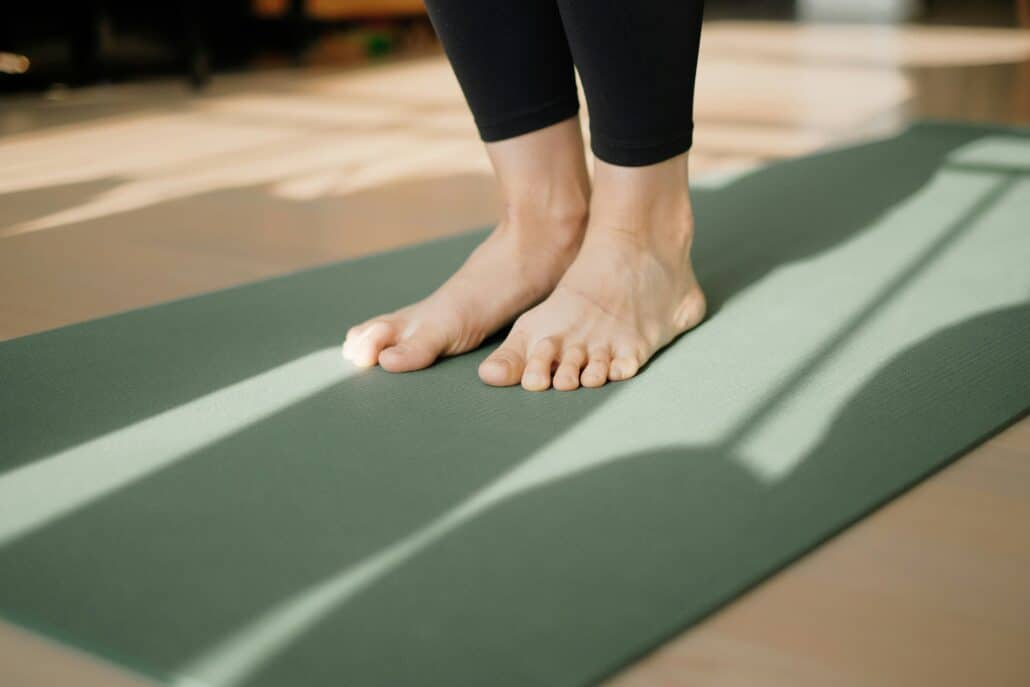
Why Holistic Healing Matters in Recovery
Traditional treatment modalities like detox, counseling, and medication-assisted therapy are critical first steps. They stabilize the body and provide essential tools for relapse prevention. However, many people in recovery report lingering challenges such as stress, anxiety, insomnia, and persistent cravings that conventional treatment alone may not fully resolve.
This is where holistic practices such as yoga for addiction recovery come in. Holistic recovery focuses on the whole person, rather than simply treating symptoms. Yoga integrates body movement, breath, and mental focus, offering a way to reconnect with yourself, manage stress, and develop self-regulation skills that are essential in maintaining long-term sobriety.
By incorporating yoga for addiction recovery, individuals learn to:
- Manage stress naturally without turning to substances
- Improve sleep quality and physical well-being
- Strengthen emotional regulation and awareness
- Cultivate a sense of calm and resilience
- Reconnect with their bodies after years of neglect or trauma
Yoga encourages participants to reclaim ownership over their bodies. This process can be empowering, helping individuals recognize that healing is not just a physical process but a deeply personal and holistic journey.
The Science Behind Yoga for Addiction Recovery
Yoga is more than a gentle form of exercise; it is a scientifically supported therapeutic tool for people in recovery. Research increasingly shows that yoga helps reduce stress, regulate emotions, and restore neural pathways that are often disrupted by addiction.
1. Stress Reduction
Substance use frequently begins as a coping mechanism for stress or emotional distress. Yoga activates the parasympathetic nervous system, also known as the relaxation response, which helps lower cortisol levels, reduce heart rate, and calm the mind. By strengthening the body’s natural stress response, yoga provides a non-chemical way to manage triggers that could lead to relapse.
2. Neurobiological Benefits
Addiction alters the brain’s reward system, particularly pathways involving dopamine. Yoga has been shown to help normalize brain chemistry, improve mood regulation, and increase resilience to cravings. Mindful movement and controlled breathing stimulate regions of the brain associated with executive control, allowing individuals to pause before reacting impulsively to triggers.
3. Emotional Regulation
Recovery is often accompanied by intense emotional fluctuations. Yoga for addiction recovery cultivates self-awareness and mindfulness, teaching practitioners to observe thoughts and emotions without judgment. This skill is crucial for preventing relapse, as it allows individuals to respond thoughtfully rather than react impulsively to cravings or stress.
4. Physical Health and Rebuilding Strength
Years of substance use can deplete the body physically, causing fatigue, poor posture, muscle weakness, and chronic tension. Yoga offers a low-impact, restorative way to rebuild strength, flexibility, and overall vitality. Even gentle restorative or yin yoga practices can alleviate chronic pain, release tension, and improve circulation, helping the body heal holistically.
5. Improved Sleep and Energy Regulation
Sleep disturbances are common during recovery, making it difficult to maintain focus, mood stability, and overall health. Yoga for addiction recovery has been shown to improve sleep quality, enhance energy regulation, and promote relaxation. Better sleep supports emotional balance, enhances recovery outcomes, and reduces the likelihood of relapse triggered by fatigue or irritability.
Scientific studies support these benefits:
- A review in Complementary Therapies in Medicine highlights that yoga and mindfulness practices positively impact the neural, physiological, and behavioral mechanisms involved in addiction and relapse.
- A systematic review of yoga interventions for substance use disorders found that 7 out of 8 studies reported improvements in anxiety, depression, cravings, or overall mental well-being when yoga was combined with traditional treatment.
- Trauma-sensitive yoga for addiction recovery has been shown to help people with histories of trauma—common among those in recovery—reconnect with their bodies safely, improving emotional regulation and decreasing stress.
While research is ongoing, the evidence consistently shows that yoga is an effective adjunctive therapy for supporting long-term recovery.

Yoga for Addiction Recovery as a Tool: Practical Applications
For those in recovery, integrating yoga for addiction recovery into daily life doesn’t require mastering advanced postures or attending long, rigorous classes. The goal is to cultivate awareness, calm, and connection.
Gentle Practices
- Restorative yoga and yin yoga focus on slow, sustained poses that release tension.
- Trauma-informed yoga emphasizes safety, choice, and mindfulness, allowing participants to connect with their bodies without fear.
Breathwork and Meditation
- Pranayama (breathwork) can lower stress hormones and regulate the nervous system.
- Mindfulness meditation helps individuals recognize cravings and emotional triggers, creating a pause before acting on impulses.
Creating a Routine
- Start with short daily sessions, even 10–15 minutes.
- Increase duration or intensity gradually as the body rebuilds strength and endurance.
- Combine yoga with journaling or reflective practices to enhance self-awareness and emotional insight.
Yoga for Addiction Recovery as a Sober, Community-Based Activity
Beyond the physical and mental benefits, yoga can serve as a healthy, sober activity that reinforces recovery goals. Engaging in yoga classes provides a structured, intentional, and supportive environment where individuals can spend time without exposure to alcohol or substances.
In Asheville, one exceptional resource is Asheville Community Yoga. This nonprofit, donation-based studio offers a variety of classes and workshops designed to be accessible to all levels and backgrounds, making it an ideal space for people in recovery.
Asheville Community Yoga: A Resource for Recovery
- Wide variety of classes: From gentle restorative sessions to active flows, meditation, and breathwork.
- Community-focused: A welcoming and inclusive environment that promotes connection and support.
- Accessible and donation-based: Financial constraints are not a barrier, allowing anyone to practice yoga regardless of income.
- Healing-centered workshops: Offerings often include topics like stress reduction, boundary-setting, mindfulness, and emotional resilience—skills directly applicable to recovery.
By practicing yoga in a supportive community like Asheville Community Yoga, individuals in recovery gain more than physical benefits—they cultivate social connection, accountability, and a sense of belonging. These factors are crucial for sustaining long-term sobriety.
Integrating Yoga into Your Recovery Routine
Here are practical steps to make yoga a sustainable part of your recovery journey:
- Start Small: Begin with 10–15 minutes of gentle poses or breathwork daily.
- Consistency Over Intensity: Regular, short sessions are more beneficial than occasional, intense practice.
- Engage in Community Classes: Join a class at Asheville Community Yoga to benefit from structure, guidance, and social support.
- Reflect After Practice: Journaling or mindful reflection after sessions reinforces emotional insights.
- Prioritize Safety and Trauma Sensitivity: Choose classes or instructors familiar with recovery needs to ensure comfort and safety.
- Coordinate With Your Recovery Team: Ensure your yoga for addiction recovery practice complements your therapy, medical oversight, or support group work.

Real-Life Impact: Stories from Recovery
Many people in recovery find that yoga becomes a lifeline during challenging periods. For example:
- One participant described restorative yoga as a way to slow down racing thoughts and regain a sense of calm during early sobriety.
- Another credited daily breathwork with helping reduce nighttime cravings and improve sleep, which directly impacted mood and resilience.
- Group classes at community studios provide not only physical benefits but also the social support necessary to reinforce a sober lifestyle.
While individual experiences vary, yoga’s combination of movement, mindfulness, and community consistently supports healthier coping mechanisms and emotional regulation.
Reclaiming Your Body, Mind, and Spirit
Recovery is not just about abstaining from substances—it’s about rebuilding a life of balance, connection, and purpose. Yoga for addiction recovery provides a gentle yet powerful avenue to achieve that.
Each pose, breath, and moment of mindfulness helps individuals:
- Reconnect with their bodies and bodily sensations
- Develop tools for managing stress and cravings
- Build emotional resilience and self-compassion
- Strengthen the mind-body connection that addiction often disrupts
When integrated with treatment and supportive community practices, yoga for addiction recovery can transform the recovery journey, providing not only a path to sobriety but a way to thrive in life.

Take the First Step Today
If you’re navigating addiction recovery and looking for holistic ways to support your healing, consider exploring yoga for addiction recovery as a regular part of your routine. In Asheville, Asheville Community Yoga offers accessible, welcoming classes that provide the physical, emotional, and community support essential for long-term recovery.
Whether you’re new to yoga for addiction recovery or returning after treatment, taking the first step onto the mat can be a powerful act of self-care, grounding, and healing. Over time, these small, consistent efforts help you reclaim your body, mind, and spirit, one breath at a time.
At Asheville Detox Center, we encourage our clients to explore holistic practices like yoga to complement their recovery journey. With the right support and guidance, yoga for addiction recovery can become more than an activity—it can be a lifelong tool for health, balance, and resilience. Call us today to learn more about our medically-supervised detox services in Asheville, North Carolina.