The terms Molly and Ecstasy often pop up in conversations about party drugs, but many are unclear about what truly distinguishes these substances. While both are commonly associated with nightlife, raves, and music festivals, the way they are produced, consumed, and marketed can vary significantly, creating confusion and misconceptions.
Understanding the difference between Molly and Ecstasy is vital, especially for individuals looking for comprehensive information about their effects, potential health risks, and the reasons behind their widespread appeal among young adults and partygoers.
Having accurate knowledge not only helps dismantle myths but also empowers people to make more informed decisions when faced with situations involving these drugs.
For residents of Asheville, a city known for its vibrant music scene and social culture, awareness of these distinctions can be particularly important for promoting safer choices, supporting community well-being, and seeking appropriate help if necessary. Recognizing how these substances impact both physical and mental health can also encourage open conversations about drug use, reduce stigma, and foster healthier alternatives within the community.

A Closer Examination of the Difference Between Molly and Ecstasy
Both Molly and Ecstasy are associated with MDMA, a synthetic drug known for its psychoactive properties. However, despite their connection, there are important distinctions to note.
Comprehending the difference between Molly and Ecstasy helps consumers make informed decisions regarding their safety and well-being. By exploring the characteristics and effects of both substances, you gain not only clarity but also insight into the potential consequences of their use.
Beyond the immediate risks of dehydration, overheating, or dangerous interactions with other substances, there is also the potential for long-term impacts such as mood disturbances, memory issues, and the development of dependence. For individuals already struggling with substance use, experimenting with Molly or Ecstasy can further complicate recovery and increase the risk of relapse.
Understanding these realities and the difference between Molly and Ecstasy reinforces the importance of prevention and the need to approach these drugs with caution. Just as importantly, awareness opens the door to healthier alternatives for coping with stress, anxiety, or social pressures that often drive experimentation in the first place.
For those who find themselves caught in cycles of use, recognizing the risks is a crucial first step toward seeking support, whether that comes through counseling, peer groups, or professional treatment programs focused on long-term recovery and well-being.
The Difference Between Molly and Ecstasy: Understanding Molly
Both Molly and Ecstasy are associated with MDMA, a synthetic drug known for its psychoactive properties. However, despite their connection, there are important distinctions to note.
Comprehending these differences helps consumers make informed decisions regarding their safety and well-being. By exploring the characteristics and effects of both substances, you gain not only clarity but also insight into the potential consequences of their use.
Beyond the immediate risks of dehydration, overheating, or dangerous interactions with other substances, there is also the potential for long-term impacts such as mood disturbances, memory issues, and the development of dependence. For individuals already struggling with substance use, experimenting with Molly or Ecstasy can further complicate recovery and increase the risk of relapse.
Understanding these realities reinforces the importance of prevention and the need to approach these drugs with caution. Just as importantly, awareness opens the door to healthier alternatives for coping with stress, anxiety, or social pressures that often drive experimentation in the first place.
For those who find themselves caught in cycles of use, recognizing the risks is a crucial first step toward seeking support, whether that comes through counseling, peer groups, or professional treatment programs focused on long-term recovery and well-being.

Characteristics of Molly
Perceived Purity
Molly is often advertised as offering a pure MDMA experience. However, this perception is not always accurate, as batches can be adulterated with other substances.
In reality, what is sold as Molly may be mixed with stimulants, synthetic cathinones (commonly known as “bath salts”), or other harmful chemicals designed to increase profit but drastically raise health risks. These unknown additives can intensify the drug’s effects, create unpredictable reactions in the body, and significantly increase the likelihood of overdose or long-term harm.
Even individuals who believe they are taking “pure” Molly may unknowingly expose themselves to substances far more dangerous than MDMA itself.
This lack of regulation and consistency highlights the dangers of relying on street drugs and underscores why education and prevention are so important. For those in recovery or trying to avoid relapse, the uncertainty surrounding what’s actually in Molly can be especially risky, as it removes any sense of control and can quickly undo progress toward sobriety.
Recognizing the potential for contamination is a key step in making safer choices and reinforces the value of seeking healthier, more reliable ways to cope with life’s challenges.
Common Usage
Recreational users often consume Molly for its ability to enhance mood, increase energy levels, and promote feelings of emotional closeness and empathy.
These effects can make social experiences like concerts, raves, or parties feel more intense and connected, which is part of the drug’s widespread appeal. However, the same qualities that make Molly attractive can also create significant risks, as individuals may begin to rely on the substance to achieve feelings of happiness or connection that might otherwise be found through healthier means.
The artificial surge of serotonin and dopamine in the brain can lead to a temporary high, but it is often followed by a “crash” marked by exhaustion, irritability, or even symptoms of depression and anxiety.
Over time, repeated use can reduce the brain’s natural ability to regulate mood, leaving users vulnerable to dependence and emotional instability. What may start as a way to enhance enjoyment can quickly spiral into a pattern of seeking relief from negative aftereffects, trapping individuals in a cycle that is difficult to break without help.
Recognizing these risks highlights the importance of prevention and the value of building coping skills, strong support networks, and recovery resources that offer lasting, drug-free ways to experience joy and connection.
Risks Associated with Molly
Adulteration
One of the primary risks associated with Molly is its potential for contamination with other dangerous substances. Unlike what many believe, the supposed purity of Molly is often misleading, as it can be cut with stimulants, hallucinogens, or even highly toxic chemicals.
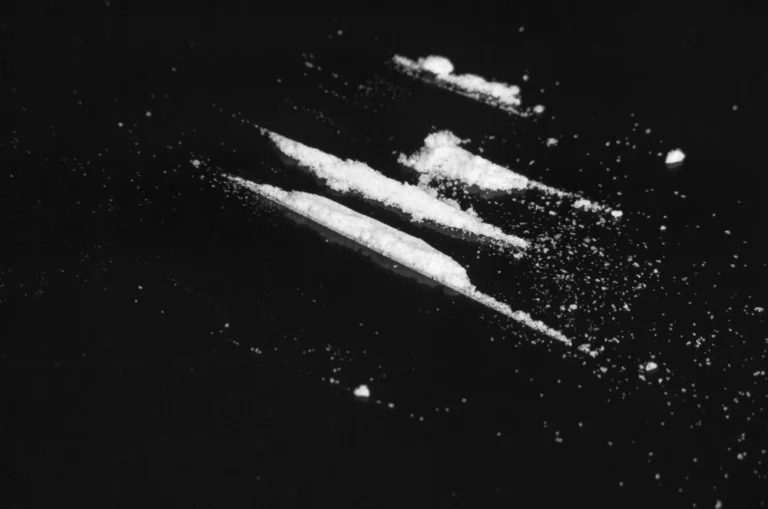
This lack of regulation means users can never be entirely sure of its contents, making the difference between Molly and Ecstasy especially important to understand. While Ecstasy is typically pressed into colorful tablets and is widely recognized for containing various additives, Molly is marketed as a “pure” crystalline or powdered form of MDMA.
However, the difference between Molly and Ecstasy is not as clear-cut as it may seem—both can be adulterated, and both carry significant risks when consumed. In fact, some batches of Molly may be just as heavily mixed, if not more so, than certain Ecstasy pills, leaving users vulnerable to unpredictable and harmful effects.
Recognizing the difference between Molly and Ecstasy goes beyond appearance or reputation; it highlights the critical need for awareness, prevention, and informed decision-making. For individuals in recovery, this uncertainty is especially dangerous, as even a single use can expose them to life-threatening substances and jeopardize their progress toward sobriety.
Health Effects
The use of Molly can lead to various adverse effects, including increased heart rate, dehydration, hyperthermia, and, in some cases, long-term psychological impacts.
Understanding these risks is especially important when considering the difference between Molly and Ecstasy, as both substances are connected to MDMA but can affect the body in slightly different ways depending on their composition.
While Molly is often marketed as a pure form of MDMA, the difference between Molly and Ecstasy lies in the fact that Ecstasy is typically sold in pill form and more widely known for containing additional substances.
However, this does not make Molly safer, since it too can be adulterated with dangerous additives that amplify harmful effects.
The difference between Molly and Ecstasy becomes even more critical when examining long-term consequences, such as memory impairment, mood disturbances, and increased vulnerability to anxiety or depression. Both drugs place significant strain on the body and brain, and the unpredictable nature of their contents only magnifies the dangers.
By recognizing the difference between Molly and Ecstasy and the serious risks associated with their use, individuals can make more informed choices, prioritize prevention, and seek recovery resources that support lasting health and well-being.

The Difference Between Molly and Ecstasy: Defining Ecstasy
Ecstasy typically comes in tablet form and is associated with being a party drug. It was immensely popular in the 1980s and 1990s and continues to have a significant presence in club environments.
Characteristics of Ecstasy
Pill Form
Ecstasy is frequently sold as brightly colored pills imprinted with logos or designs, contributing to its distinctive appearance.
Frequent Additives
Unlike Molly, Ecstasy tablets often contain other substances in addition to MDMA, such as caffeine, methamphetamine, or other synthetic drugs.
Risks Associated with Ecstasy
Unknown Ingredients
The combination of MDMA with unknown additives increases the likelihood of dangerous reactions and side effects, making Ecstasy unpredictable and potentially harmful.
Psychological Effects
Similar to Molly, Ecstasy can cause mood swings, anxiety, and depression after the initial high, as well as potential neurotoxicity from repeated use.
Frequently Asked Questions about the Difference Between Molly and Ecstasy
What is the key difference between Molly and Ecstasy?
The primary difference between Molly and Ecstasy lies in their form and perceived purity. Molly is considered a purer crystalline form of MDMA, while Ecstasy is typically presented as tablets that may contain other additives. However, both substances can be adulterated, making them equally unpredictable.
Can you overdose on Molly or Ecstasy?
Yes, it is possible to overdose on both Molly and Ecstasy. Symptoms of overdose may include severe agitation, high blood pressure, hyperthermia, seizures, and, in severe cases, organ failure. Immediate medical attention is essential if an overdose is suspected.
How are Molly and Ecstasy used recreationally?
Though there is a significant difference between Molly and Ecstasy, both Molly and Ecstasy are used recreationally to enhance social experiences, particularly in environments like music festivals or clubs. They are taken for their effects in heightening sensory perception, empathy, and energy.

Seeking Support and Making Informed Choices
Understanding the difference between Molly and Ecstasy is crucial for anyone considering their use or seeking to educate others about the potential risks. While they promise enhanced experiences, both can pose significant health risks due to their unpredictable nature and potential for contamination.
For residents of Asheville seeking guidance or support regarding substance use or the difference between Molly and Ecstasy, reaching out to professional resources is strongly recommended. If you or someone you know is grappling with the use of Molly, Ecstasy, or other substances, visit Asheville Detox for expert advice and support, or call us at 828-372-0429 to discuss available treatment options.
By making informed decisions and accessing local support systems, you empower yourself to prioritize health and safety. Contact us today to explore the support services tailored to your needs.