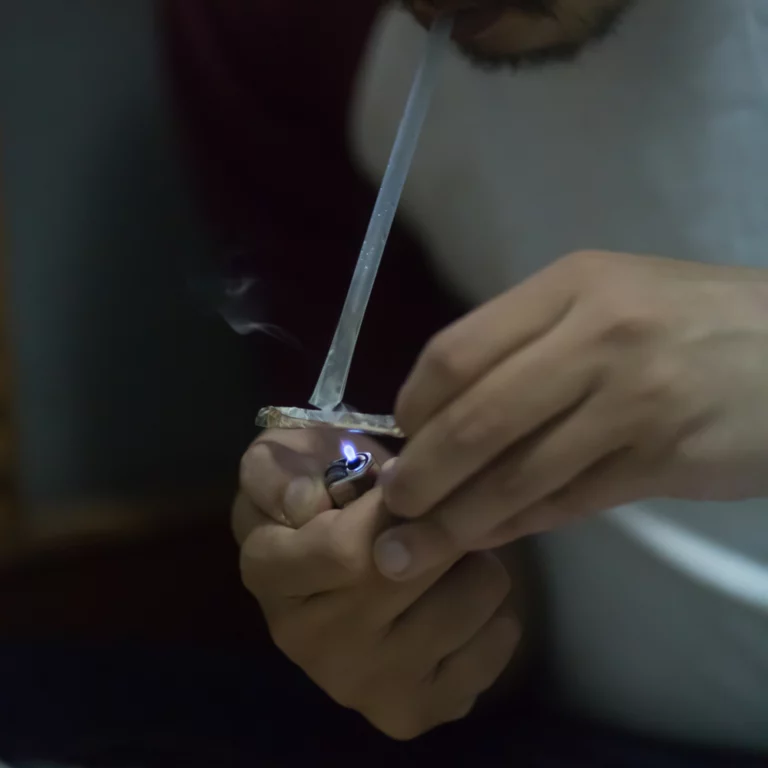
Heroin withdrawal can be one of the most daunting obstacles on the path to recovery, presenting a wide range of physical, emotional, and psychological challenges.
Individuals experiencing withdrawal may face intense cravings, nausea, muscle aches, anxiety, insomnia, and mood swings, all of which can make the recovery process feel overwhelming. Despite these difficulties, it is important to remember that overcoming heroin withdrawal is entirely possible with the right combination of strategies, support systems, and professional guidance.
This guide is designed to provide practical tips and evidence-based approaches for safely navigating the withdrawal process, while also highlighting local resources in Asheville that can assist individuals at every stage of their journey. From medical supervision and therapy options to support groups and community programs, understanding and utilizing available resources can make the road to sobriety more manageable and sustainable.

Understanding Heroin Withdrawal
Heroin withdrawal refers to the collection of physical and psychological symptoms that occur when a person who is dependent on heroin reduces their intake or stops using the drug entirely.
This process can be both intense and overwhelming, often serving as a major obstacle for those who are trying to quit. Symptoms vary widely from person to person and can range from mild discomforts, such as irritability and trouble sleeping, to more severe experiences, including intense anxiety, muscle and bone aches, nausea, vomiting, sweating, and powerful cravings that can make relapse a constant risk.
The timeline and severity of withdrawal are influenced by factors such as the length of time someone has been using heroin, the dosage, overall health, and whether other substances are involved.
While the process can feel daunting, understanding what to expect and implementing supportive strategies—such as medical supervision, therapy, hydration, proper nutrition, and access to local recovery resources—can make it significantly more manageable. By preparing mentally and physically for withdrawal, individuals can take proactive steps toward overcoming dependency and moving toward a healthier, drug-free life.
Preparing for Heroin Withdrawal
Preparation is a critical component of successfully navigating heroin withdrawal, as it helps individuals anticipate challenges and respond to them effectively. Creating a solid plan in advance can reduce anxiety and provide a clear roadmap for managing symptoms as they arise.
This plan may include arranging medical supervision, identifying trusted friends or family members who can offer emotional support, and gathering resources such as counseling services, support groups, or community programs. Additionally, preparing your home environment—by ensuring access to nutritious food, hydration, and comfort measures—can make the withdrawal period more manageable.
A strong support system not only provides practical assistance but also offers encouragement and accountability, which can be essential for maintaining motivation during difficult moments. By taking the time to prepare mentally, physically, and emotionally, individuals increase their chances of successfully navigating withdrawal and laying the foundation for long-term recovery.

Develop a Strong Support System
Involve Family and Friends
Encouraging open and honest communication with loved ones is a vital part of navigating heroin withdrawal. Sharing your experiences, fears, and progress with family members, friends, or trusted mentors can provide a sense of connection and reduce feelings of isolation during this challenging time.
Loved ones can offer not only emotional support but also practical assistance, such as helping you maintain a structured routine, ensuring you stay hydrated and nourished, or accompanying you to medical appointments or support meetings. Their active involvement can significantly boost your confidence and motivation, reminding you that you are not facing the process alone.
Furthermore, having supportive people to celebrate small victories and provide encouragement during difficult moments can help sustain your determination and reinforce your commitment to recovery. By fostering open communication, you create a network of care that strengthens both your emotional resilience and your ability to successfully navigate the withdrawal phase.
Seek Professional Assistance
Consulting healthcare professionals can ensure you receive comprehensive advice tailored to your unique needs. Professional support can help manage symptoms safely and effectively. Learn about our heroin detox programs for more information.
Plan for a Safe Environment
Create a Comfortable Space
Designate a calm, safe area in your home where you can rest comfortably during withdrawal. Filling this space with comforting items such as blankets, soothing music, and engaging books can help distract from discomfort.
Eliminate Access to Substances
Ensure that your environment is free from drugs or paraphernalia. Removing these temptations is crucial for maintaining your commitment to sobriety.
Managing Heroin Withdrawal Symptoms
Understanding and managing withdrawal symptoms can help make the experience more bearable, allowing you to stay focused on recovery.
Hydration and Nutrition
Stay Hydrated
Dehydration is a common and often underestimated issue during heroin withdrawal, as symptoms like sweating, vomiting, and diarrhea can quickly deplete the body’s fluids.
Drinking plenty of water throughout the day is essential to maintain proper hydration and support the body’s natural healing processes. Staying hydrated can help alleviate a range of withdrawal symptoms, including headaches, fatigue, dizziness, and muscle cramps, while also promoting better digestion and circulation.
In addition to water, incorporating electrolyte-rich fluids—such as sports drinks, broths, or oral rehydration solutions—can help replenish essential minerals lost during withdrawal, further supporting overall well-being.
Consistently hydrating not only eases physical discomfort but also contributes to improved energy levels and mental clarity, making it easier to cope with the emotional and psychological challenges of withdrawal. By prioritizing hydration, individuals can take an important step toward maintaining both their physical health and their resilience throughout the recovery process.
Balanced Diet
Eating a balanced diet rich in fruits, vegetables, lean proteins, and whole grains is a crucial component of supporting the body during heroin withdrawal. Proper nutrition provides the essential vitamins, minerals, and macronutrients needed to help the body repair itself, maintain energy levels, and strengthen the immune system.
During withdrawal, individuals often experience decreased appetite or digestive issues, making it even more important to prioritize nutrient-dense foods that are easy to digest and nourishing.
Protein sources, such as lean meats, eggs, beans, and nuts, can help repair tissues and support brain function, while fruits and vegetables supply antioxidants and vitamins that combat inflammation and promote overall health.
Incorporating a variety of foods also helps stabilize blood sugar levels, which can reduce mood swings, fatigue, and irritability—common symptoms of withdrawal. By maintaining a nutritious diet, individuals not only support their physical recovery but also enhance mental clarity, emotional resilience, and overall well-being, making it easier to navigate the challenges of the withdrawal process.

Exercise and Relaxation Techniques
Incorporate Exercise
Engaging in light exercise, such as walking, gentle stretching, or yoga, can play a significant role in easing the physical and psychological symptoms of heroin withdrawal.
Physical activity stimulates the release of endorphins, the body’s natural “feel-good” chemicals, which can help reduce anxiety, elevate mood, and provide a sense of calm during a time of heightened stress. In addition to improving emotional well-being, light exercise can promote better sleep, increase energy levels, and reduce muscle tension and stiffness, all of which are common during withdrawal.
Activities like walking outdoors also offer the added benefit of exposure to fresh air and natural sunlight, which can further support mental health and boost vitamin D levels.
Incorporating gentle movement into a daily routine can help establish structure and a sense of accomplishment, making it easier to cope with cravings and other withdrawal-related challenges. By prioritizing regular, manageable physical activity, individuals can enhance both their physical resilience and emotional stability, creating a stronger foundation for long-term recovery.
Practice Mindfulness and Relaxation
Techniques such as meditation, deep breathing, and progressive muscle relaxation can be powerful tools for managing stress and promoting mental clarity during heroin withdrawal.
These practices help activate the body’s natural relaxation response, reducing tension, calming the nervous system, and lowering feelings of anxiety and irritability that are common during withdrawal. Meditation encourages mindfulness and helps individuals focus on the present moment, which can lessen the intensity of cravings and intrusive thoughts.
Deep breathing exercises increase oxygen flow, slow the heart rate, and promote a sense of calm, making it easier to cope with both physical discomfort and emotional distress.
Progressive muscle relaxation, which involves tensing and then releasing different muscle groups, can alleviate muscle aches, reduce restlessness, and improve overall body awareness.
Regularly practicing these stress-management techniques not only supports immediate comfort during withdrawal but also builds long-term coping skills, enhancing emotional resilience and helping individuals develop healthier ways to respond to triggers and challenges throughout their recovery journey.
Medications and Supplements
Medication-Assisted Treatment (MAT)
Consider medication-assisted treatments, such as methadone or buprenorphine, under professional guidance. These medications can help reduce withdrawal symptoms and cravings. Explore more about medication-assisted treatment options.
Supplements
Consult with a healthcare professional about supplements like vitamins or amino acids that may support the body’s recovery and improve physical health.
Frequently Asked Questions About Heroin Withdrawal
What are the stages of heroin withdrawal?
Heroin withdrawal generally occurs in three stages: early withdrawal symptoms begin within the first 24 hours, including muscle aches and anxiety; peak withdrawal symptoms occur around 2 to 3 days in, with nausea and severe cravings; late withdrawal symptoms, such as fatigue and depression, can last for weeks as the body adjusts.
How long does heroin withdrawal last?
The acute phase of heroin withdrawal typically lasts 5 to 10 days, but some symptoms may persist beyond this period. Post-acute withdrawal syndrome (PAWS) can last for weeks or months, affecting mood and energy levels.
Is it safe to detox from heroin at home?
Detoxing at home can be dangerous without medical supervision due to the risk of severe withdrawal symptoms and potential complications. It is advisable to seek professional assistance, such as through a detox center, to ensure a safe detox process.

Seeking Help and Moving Forward in Recovery
Heroin withdrawal is a challenging but surmountable part of the recovery journey. By preparing effectively, managing symptoms with helpful strategies, and seeking support, you position yourself for a successful recovery. For those in Asheville, accessing local resources can offer invaluable assistance and guidance during this crucial time. Explore detox and treatment options at Asheville Detox or call us at 828-372-0429 to learn more about the support systems available to help you navigate withdrawal safely.
Take proactive steps today toward a healthier, drug-free life by reaching out for the assistance you need. With determination and the right support, your recovery journey can lead to a lifetime of sobriety.