Cocaine is a powerful stimulant drug with a wide range of sensory characteristics. Among the most commonly asked questions by concerned family members and educators is: What does cocaine smell like? Understanding its smell — along with its appearance, taste, and common forms — can play an important role in identifying cocaine use or contamination.
In this guide, we’ll explore how cocaine smells across its various forms (powder, crack, liquid), what cutting agents may alter the scent, and how the smell changes depending on how it’s used.
What is Cocaine?
Cocaine is derived from the coca plant native to South America and is most commonly processed into a fine white powder known as cocaine hydrochloride. While often glamorized in media, cocaine is a highly addictive substance with serious health consequences.
Street names for cocaine include coke, snow, blow, and rock. It’s typically snorted, injected, or smoked, and users often experience an intense but short-lived euphoria, followed by harmful physical and psychological side effects.
The Natural Smell of Pure Cocaine
Pure, pharmaceutical-grade cocaine is odorless. However, the cocaine found on the street is rarely pure. Most street cocaine is cut with a variety of chemicals, creating a distinct chemical or metallic scent.
While some users describe a slightly sweet or floral aroma, these reports are inconsistent and largely depend on how the drug was processed or what it was cut with.

What Does Cocaine Smell Like in Different Forms?
Cocaine can exist in several forms, and each has its own unique scent profile based on its chemical composition and method of use.
Powdered Cocaine (Cocaine Hydrochloride)
The most commonly known form of cocaine is a white or off-white powder. It is often cut with agents like baking soda, talcum powder, laxatives, or local anesthetics like lidocaine.
- Typical smells: Chemical, metallic, kerosene-like, or similar to nail polish remover.
- Why it smells this way: The solvents and chemicals used during extraction (e.g., gasoline, ammonia, sulfuric acid) leave residues that contribute to the drug’s distinct smell.
Crack Cocaine
Crack is made by mixing cocaine powder with water and baking soda, then cooking it into hard “rocks.” It’s usually smoked, which produces a very distinct odor.
- Typical smells: Burnt plastic, rubber, or harsh chemicals.
- Why it smells this way: Heating the baking soda and other impurities in crack releases strong, acrid fumes.
Liquid Cocaine
Less common, liquid cocaine is created by dissolving powder cocaine in water or other solvents for injection.
Why it smells this way: Though diluted, some odor may remain from the cocaine or cutting agents.
Typical smells: Faint chemical or metallic scent (often less noticeable due to dilution).
Read more: Nicknames for Cocaine: Learn Them Here
Cutting Agents That Affect Cocaine’s Smell
Street cocaine is often diluted with cutting agents — non-drug substances added to increase volume and dealer profit. Many of these additives have strong, recognizable smells:
- Ammonia – pungent, sharp
- Kerosene – oily, petroleum-based
- Sulfuric Acid – acidic, chemical
- Talcum Powder – dry, chalky
- Lidocaine / Benzocaine – anesthetic, medicinal
- Fentanyl (extremely dangerous) – often odorless, but overdose risk is high
What Does Cocaine Taste Like?
Though tasting an unknown substance is never recommended, cocaine is often described as:
- Bitter
- Chemical
- Metallic
Some users test purity by rubbing the powder on their gums, which causes numbing — a side effect of local anesthetics like lidocaine commonly used to cut cocaine.
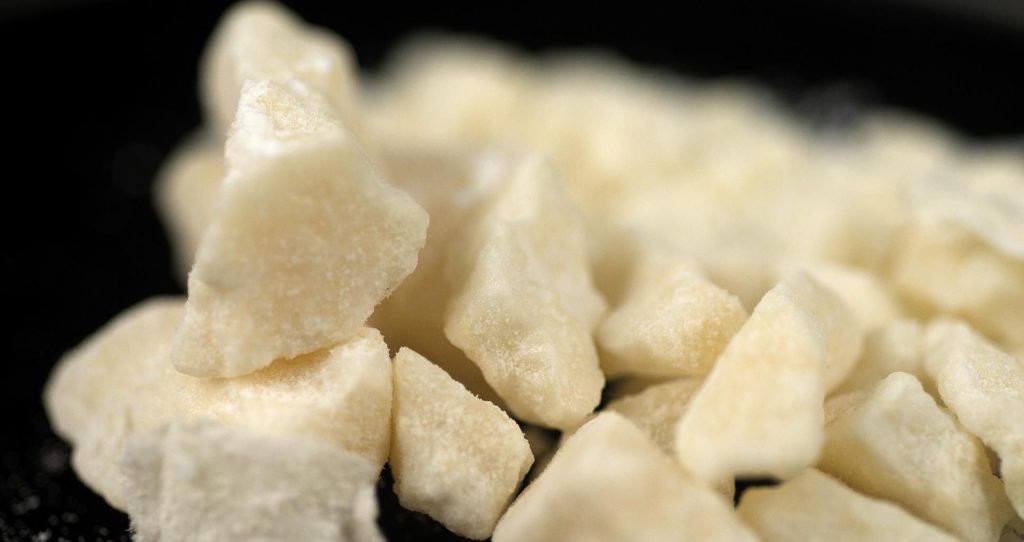
What Does Cocaine Look Like?
Appearance can vary, but common features include:
- Color: Pure white, off-white, beige, or light pink
- Form: Powder, crystalline rock, or small chunks
- Packaging: Street cocaine is usually found in small plastic baggies, often with residue
Cutting agents can make cocaine appear brighter (due to talc or baby powder) or duller, depending on the filler.

Signs of Cocaine Use: What to Watch For
Besides smell or taste, you may notice the following indicators of cocaine use:
Physical Signs
- Dilated pupils
- Restlessness or hyperactivity
- Elevated heart rate and blood pressure
- Excessive sweating or jaw clenching
Behavioral Signs
- Talkativeness or euphoria
- Anxiety or paranoia
- Irritability
- Short bursts of intense energy followed by a crash
Cocaine Paraphernalia to Look Out For
Because cocaine can be used in several ways, the tools used often vary. Some common paraphernalia include:
- Snorting: Rolled bills, straws, mirrors, razor blades, or cards
- Smoking: Glass pipes, burnt foil, or lighters
- Injecting: Spoons with burn marks, syringes, tourniquets
Discarded baggies with white residue are a common warning sign.
Cocaine Detox and Treatment Options
Recognizing the signs of cocaine use is the first step in seeking help. The National Institute on Drug Abuse estimates thousands of cocaine-related deaths occur each year — a number that continues to rise with the presence of fentanyl in street drugs.
At Asheville Detox Center, we provide medical detox services tailored to clients struggling with stimulant use. Our programs offer:
- 24/7 supervision by trained professionals
- Medication-assisted detox when necessary
- Personalized care in a supportive environment
Once detox is complete, clients often transition to inpatient or outpatient programs that include therapy, relapse prevention, and long-term recovery support.
Read more: How Long Does Cocaine Stay in Urine?

Get Help With Cocaine Detox Today
We at Asheville Detox Center are aware of how difficult it can be to withdraw from cocaine. Our medically supervised detox programs allow patients to receive the care of experts who are well-informed about assisting individuals through detoxification while ensuring their safety and comfort. Around-the-clock nursing care is provided at our detox center, and certain medications may be given on an as-needed basis to enhance client comfort.
If you or someone you love is struggling with cocaine use, you don’t have to face it alone. Contact Asheville Detox Center to speak with a specialist and take the first step toward healing. Call us today at 828-522-5822 or contact us to learn more.