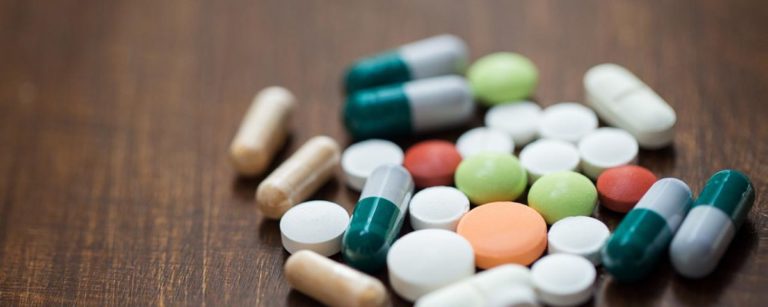
Products containing concentrated 7-hydroxymitragynine, commonly known as 7-OH, have become increasingly available through websites, smoke shops, gas stations, and convenience stores. They may be sold as tablets, gummies, drink shots, powders, or extracts and marketed for pain, energy, relaxation, or relief from opioid withdrawal.
Because these products may be described as kratom or natural wellness products, some people may not realize that concentrated 7-OH can produce powerful opioid-like effects. Repeated use may lead to tolerance, physical dependence, cravings, and 7-OH withdrawal when someone attempts to reduce or stop taking it.
The U.S. Food and Drug Administration recommends avoiding products containing added or enhanced levels of 7-OH. Although 7-OH occurs naturally in trace amounts in kratom leaves, the FDA distinguishes natural trace levels from concentrated products manufactured to deliver much stronger effects. The agency describes concentrated 7-OH products as novel, potent opioid products that have not been proven safe or effective for any medical use.
At Asheville Detox Center, individuals experiencing substance dependence can receive personalized medical evaluation, continuous clinical supervision, withdrawal management, and support preparing for continued addiction treatment.
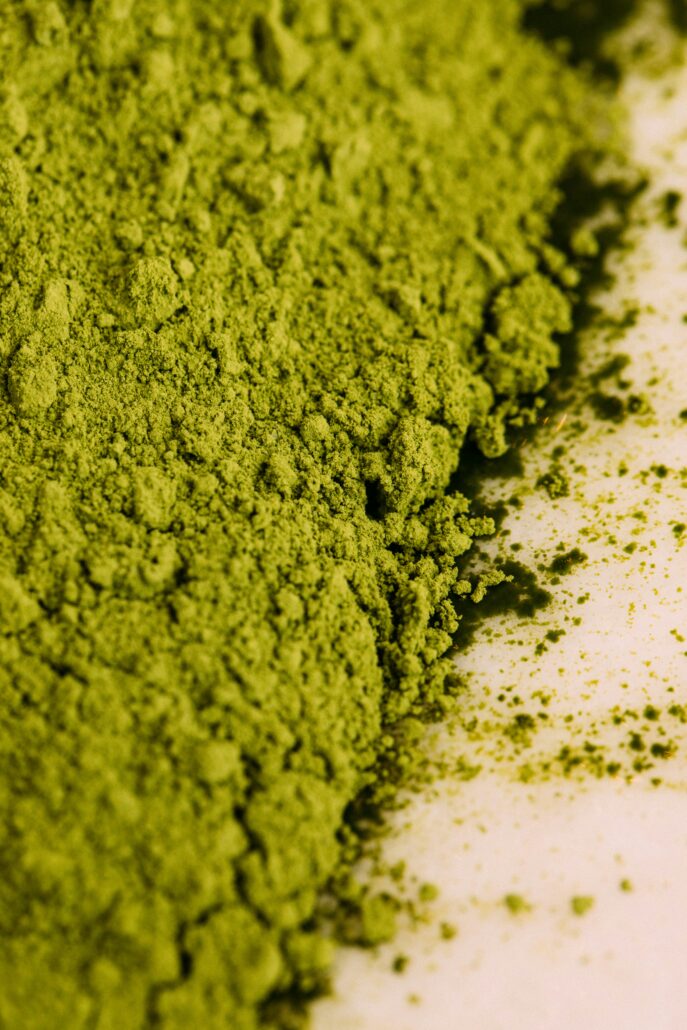
What Is 7-OH?
7-OH is an abbreviation for 7-hydroxymitragynine, a psychoactive compound associated with the kratom plant.
Traditional kratom leaf contains only trace amounts of 7-OH. However, some commercial products contain concentrated, enhanced, or added 7-OH. These products may deliver substantially different effects from ordinary kratom leaf.
Concentrated 7-OH products may be labeled as:
- 7-hydroxymitragynine tablets
- Kratom extract tablets
- 7-OH gummies
- Kratom shots
- Sublingual strips
- Enhanced kratom extracts
- Alkaloid products
- Pain or mood-support products
The packaging may resemble an ordinary supplement, energy product, or candy. Easy availability does not mean a product has been tested for safety.
The FDA states that no product containing 7-OH has been approved to treat pain, anxiety, mood disorders, opioid withdrawal, or any other medical condition. It has also warned that concentrated 7-OH products can cause addiction, withdrawal symptoms, seizures, insomnia, gastrointestinal distress, anxiety, and depression.
Can 7-OH Cause Physical Dependence?
Yes. Repeated exposure to a substance with opioid-like effects can cause the brain and body to adapt to its presence.
A person may initially use 7-OH occasionally but gradually begin taking it more frequently. They may need larger amounts to experience the same effect or begin using it primarily to avoid feeling sick between doses.
This pattern may involve:
- Increasing the amount of 7-OH used
- Taking doses closer together
- Using immediately after waking
- Experiencing discomfort between doses
- Spending increasing amounts of money on products
- Trying unsuccessfully to reduce use
- Feeling unable to work, sleep, or function without 7-OH
- Continuing to use despite physical or emotional consequences
Tolerance means that a person requires more of a substance to experience the desired effect. Physical dependence means that the body has adapted to regular use and responds with withdrawal symptoms when the substance is removed.
Dependence and addiction are not identical, but they can occur together. Addiction may also involve cravings, impaired control, continued use despite harm, and increasing disruption to daily life.
What Are the Symptoms of 7-OH Withdrawal?
The symptoms of 7-OH withdrawal can vary based on the product used, dose, frequency, length of use, physical health, and whether other substances are involved.
The FDA has received reports of withdrawal symptoms including:
- Restlessness
- Body aches
- Fatigue
- Irritability
- Cold sweats
Other possible opioid-like withdrawal symptoms may include:
- Anxiety or agitation
- Muscle and joint discomfort
- Sweating or chills
- Difficulty sleeping
- Restless legs
- Nausea
- Vomiting
- Diarrhea
- Stomach cramps
- Runny nose
- Watery eyes
- Frequent yawning
- Low energy
- Changes in mood
- Difficulty concentrating
- Strong cravings
America’s Poison Centers has also reported dependence and withdrawal syndromes associated with 7-OH exposure. Other reported effects of 7-OH use include nausea, vomiting, confusion, agitation, rapid heart rate, high blood pressure, trouble breathing, excessive sleepiness, loss of consciousness, and seizures.
Not every person will experience the same combination or intensity of symptoms. A medical assessment is the most reliable way to determine the potential withdrawal risks.
When Does 7-OH Withdrawal Begin?
There is no universally established 7-OH withdrawal timeline.
Some individuals may begin noticing discomfort after missing a regularly scheduled dose or after the effects of the product wear off. Others may not recognize that their anxiety, restlessness, sweating, or physical pain represents withdrawal until they try to stop completely.
The beginning of 7-OH withdrawal may be influenced by:
- How frequently the product was taken
- The amount of 7-OH in each dose
- The length of time the person used it
- The product’s actual potency
- The individual’s metabolism
- Use of kratom or other opioids
- Use of alcohol, benzodiazepines, or stimulants
- Previous withdrawal experiences
- Current medical and mental health conditions
Product labels may not always provide a complete or reliable understanding of the substance’s strength. In February 2026, for example, an FDA-posted recall involved a product found to contain more 7-OH than the amount declared on its label.
This uncertainty can make it difficult for a person to predict how their body will respond after use stops.
How Long Does 7-OH Withdrawal Last?
The duration of 7-OH withdrawal differs from person to person.
The most noticeable physical symptoms may improve before cravings, anxiety, fatigue, low mood, or sleep problems fully resolve. Someone who has used concentrated products repeatedly over a long period may have a different experience from someone who used them occasionally.
Factors that can affect the duration include:
- Frequency and duration of 7-OH use
- Dose and concentration
- Whether use stopped suddenly
- Use of additional substances
- Hydration and nutrition
- Sleep quality
- Physical health
- Co-occurring mental health concerns
- Access to medical and emotional support
Online timelines should be treated as broad descriptions rather than guarantees. Concentrated 7-OH products are relatively new, and products may differ significantly in composition and potency.
Medical professionals can monitor symptoms as they develop and adjust the treatment plan based on the individual’s actual response rather than an estimated timeline.
Why Can Quitting 7-OH Alone Be Difficult?
A person may genuinely want to stop using 7-OH but find that withdrawal symptoms repeatedly lead them back to it.
Body aches, sweating, digestive discomfort, anxiety, insomnia, and cravings can make it difficult to complete everyday responsibilities. Someone may take another dose simply to feel normal enough to work, sleep, eat, or interact with other people.
Attempts to self-treat 7-OH withdrawal can introduce additional risks. Someone may use alcohol, benzodiazepines, prescription medications, kratom, or another opioid to manage the symptoms. Combining substances can increase the risk of dangerous interactions, excessive sedation, breathing problems, or overdose.
Professional detox provides a substance-free environment in which symptoms can be observed and addressed without relying on unapproved products or unpredictable combinations.
Medical support is especially important when someone:
- Uses concentrated 7-OH several times per day
- Has experienced severe withdrawal before
- Uses alcohol or benzodiazepines
- Takes prescription medications
- Has significant medical conditions
- Experiences severe anxiety or depression
- Is pregnant
- Uses products with unknown ingredients
- Has a history of overdose or seizures
- Is unsure how much 7-OH they have consumed
When Is 7-OH Use a Medical Emergency?
Some reactions require immediate emergency assistance rather than a routine detox admission.
Call 911 when someone:
- Is unconscious or cannot be awakened
- Is having trouble breathing
- Has stopped breathing
- Is experiencing a seizure
- Has severe confusion
- Is experiencing chest pain
- Is behaving in a dangerously agitated manner
- Has blue or gray lips or fingertips
- May have taken 7-OH with another unknown substance
America’s Poison Centers reported that serious health outcomes have occurred following 7-OH exposures, including hospitalization. The organization advises avoiding concentrated 7-OH products and seeking guidance for suspected exposure or adverse effects.
The Poison Help Line is available in the United States at 1-800-222-1222. An unresponsive person requires immediate 911 assistance.
What Happens During Medical Detox for 7-OH?
Medical detox generally begins with an individualized evaluation.
The treatment team may ask about:
- The exact products used
- The amount taken
- How frequently they were used
- When the last dose was taken
- Use of kratom or other opioids
- Alcohol or benzodiazepine use
- Prescription medications
- Previous withdrawal experiences
- Medical and mental health history
- Current symptoms
- History of seizures or overdose
Clients may also have their vital signs, hydration, nutritional condition, mental status, and withdrawal symptoms assessed.
The purpose of this evaluation is not to judge the person. Accurate information allows clinicians to anticipate potential risks and create an appropriate withdrawal-management plan.
During detox, the treatment team may provide:
- Around-the-clock monitoring
- Regular vital-sign checks
- Hydration and nutritional support
- Symptom-management medications when appropriate
- Emotional reassurance
- Mental health evaluation
- Craving support
- Adjustments to the treatment plan
- Preparation for continued addiction care
Asheville Detox Center’s detox process includes evaluation, stabilization, and aftercare preparation. Clients receive personalized care and 24-hour medical support while the team monitors withdrawal symptoms and prepares them for an appropriate next level of treatment.
Is There a Medication for 7-OH Withdrawal?
There is no medication approved specifically to treat 7-OH withdrawal.
However, clinicians may address individual symptoms and evaluate whether the person meets the criteria for an opioid use disorder or another substance use disorder. Treatment decisions depend on the individual’s symptoms, history, other substances used, and medical needs.
FDA-approved medications are available for opioid use disorder, including buprenorphine, methadone, and naltrexone. These medications should only be used through an individualized treatment plan developed by a qualified healthcare professional.
Someone should not attempt to treat 7-OH withdrawal using medication obtained from another person or purchased outside legitimate medical care. The safest approach is to disclose all products and substances to the clinical team.
Why Is Continued Treatment Important After 7-OH Detox?
Detox helps address physical dependence, but it does not automatically resolve addiction.
After the most immediate 7-OH withdrawal symptoms improve, a person may continue facing:
- Cravings
- Anxiety or depression
- Chronic pain
- Insomnia
- Relationship problems
- Financial consequences
- Easy access to 7-OH products
- Stress-related triggers
- Fear of functioning without the substance
- Uncertainty about how to maintain recovery
Ongoing addiction treatment can help identify why 7-OH became important to the person.
Someone who began using it for pain may require coordinated medical care. A person who used it for anxiety or sleep may benefit from mental health treatment. Someone who began using 7-OH while trying to stop another opioid may need evidence-based treatment for opioid use disorder.
Continued care may involve:
- Residential addiction treatment
- Partial hospitalization
- Intensive outpatient treatment
- Individual therapy
- Group counseling
- Dual diagnosis care
- Medication management
- Family support
- Relapse-prevention planning
- Recovery-community involvement
- Sober living
- Aftercare services
Asheville Detox Center helps clients prepare for continued treatment and coordinates transitions based on each person’s needs.

How Can Families Recognize a Problem With 7-OH?
Because concentrated 7-OH may be purchased legally at ordinary retail locations, families may initially overlook the signs of dependence.
Possible warning signs include:
- Finding frequent packages of tablets, shots, or gummies
- Increasing spending at smoke shops or online retailers
- Taking products throughout the day
- Becoming anxious or physically uncomfortable when the product is unavailable
- Sleeping excessively or appearing unusually sedated
- Experiencing unexplained nausea or vomiting
- Withdrawing from family activities
- Missing work, school, or responsibilities
- Making unsuccessful attempts to stop
- Using 7-OH primarily to prevent withdrawal
Families can begin the conversation by describing what they have observed rather than using shame or accusations.
A supportive statement may sound like:
“We have noticed that you are taking these products more frequently and become sick when you run out. We are concerned about your health and want to help you speak with a professional.”
Family members can also help gather product packaging, locate medical information, arrange transportation, and speak with an admissions professional about available options.
How Does Asheville Detox Center Support 7-OH Withdrawal?
Asheville Detox Center provides medically supervised detox in Asheville, North Carolina, for people experiencing withdrawal from addictive substances.
The program offers:
- Individualized intake and assessment
- 24-hour clinical supervision
- Medical and emotional stabilization
- Withdrawal-symptom monitoring
- Medication support when clinically appropriate
- Care for co-occurring mental health concerns
- Support for polysubstance use
- Case management
- Aftercare preparation
- Coordination with continued treatment programs
Asheville Detox Center states that its medical detox services include care for kratom and other synthetic or designer substances. Each client’s detox needs are assessed individually, and case managers help determine the best next step after stabilization.
If 7-OH withdrawal is making it difficult to stop, professional support can help reduce uncertainty and create a safer path forward. You do not need to wait for a medical emergency, overdose, or severe personal consequence before asking for help.
Contact Asheville Detox Center or give our team a call today to learn more about medical detox, insurance verification, admissions, and continued addiction treatment options in Asheville, NC.

What Are Common Questions About 7-OH Withdrawal?
Is 7-OH the Same as Kratom?
Not exactly. 7-OH is a compound associated with the kratom plant, but it naturally occurs only in trace amounts. Concentrated 7-OH products may contain added or enhanced amounts and can produce stronger opioid-like effects than traditional kratom leaf.
Is 7-OH Addictive?
Concentrated 7-OH can lead to addiction and physical dependence. Repeated use may cause tolerance, cravings, compulsive use, and withdrawal symptoms when a person reduces or stops taking it.
What Does 7-OH Withdrawal Feel Like?
7-OH withdrawal may involve restlessness, body aches, fatigue, irritability, sweating, anxiety, insomnia, digestive problems, and cravings. Symptoms vary according to the product, dose, frequency of use, health history, and use of other substances.
How Long Does 7-OH Withdrawal Last?
There is no standard timeline that applies to everyone. Physical symptoms may improve before sleep disruption, anxiety, fatigue, low mood, or cravings fully resolve. A professional assessment can help determine the appropriate level and duration of support.
Can I Detox From 7-OH at Home?
Detoxing without professional help may be difficult and can be especially risky when concentrated products, unknown ingredients, prescription medications, alcohol, benzodiazepines, or other opioids are involved. Medical detox allows clinicians to monitor symptoms and respond as the withdrawal process changes.
What Happens After 7-OH Detox?
After detox, continued addiction treatment may address cravings, triggers, mental health symptoms, chronic pain, relationships, and relapse prevention. Depending on the individual’s needs, the next step may include residential treatment, partial hospitalization, intensive outpatient care, therapy, or medication management.