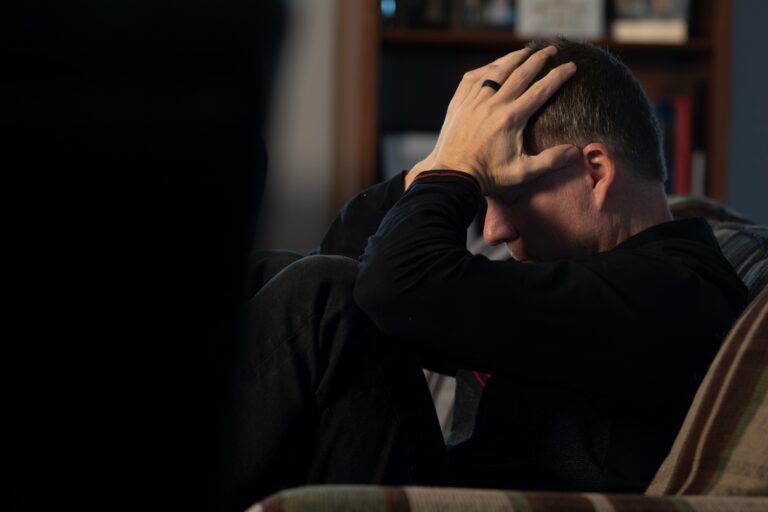
You feel exhausted all day. Then bedtime arrives, and your mind will not slow down. You turn over, check the clock, and wonder how you can possibly be this tired without falling asleep.
Insomnia during withdrawal can make an already difficult experience feel even more overwhelming. When you are working toward recovery, a sleepless night may bring frustration, anxiety, or the urge to use something just to get some rest.
Sleep problems deserve attention. They are not a personal failure, and you do not have to manage them alone. Understanding what is happening can help you seek appropriate care and approach the next night with a little less fear.

What Is Insomnia During Withdrawal?
Insomnia during withdrawal means difficulty falling asleep, staying asleep, or returning to sleep after waking as your body adjusts to reducing or stopping a substance.
You might lie awake for hours, wake repeatedly, or feel exhausted even after spending the night in bed. Some people also experience vivid dreams or nightmares.
Sleep disturbances can occur during withdrawal and continue into recovery. SAMHSA’s guidance on supporting recovery emphasizes assessing sleep concerns and connecting people with appropriate treatment.
The important question is not simply whether insomnia is common. It is whether your symptoms are being assessed, whether withdrawal is being managed safely, and what support could help you rest.
Why Does Withdrawal Make It Hard to Sleep?
Substances can affect the systems involved in sleep, alertness, and stress. With repeated use, the body adapts. Reducing or stopping a substance can temporarily disrupt that balance.
For example, the National Institute on Alcohol Abuse and Alcoholism explains that alcohol withdrawal can involve increased activity in brain circuits associated with stress and negative emotions. Feeling unusually anxious or on edge can make settling down difficult.
Physical symptoms also matter. Sweating, nausea, muscle aches, and restlessness may interrupt sleep even when you are exhausted. Worry about tomorrow can add another layer: “What if I cannot work? What if this never improves?”
Insomnia during withdrawal may have more than one cause. A clinician can consider withdrawal symptoms alongside pain, mental health concerns, medications, and sleep problems that existed before substance use.
Which Substances Can Cause Insomnia During Withdrawal?
Different substances affect sleep differently. Understanding those differences helps explain why a single withdrawal timeline cannot apply to everyone.
Alcohol
Insomnia is a recognized symptom of alcohol withdrawal, sometimes occurring alongside anxiety, sweating, and tremors. According to MedlinePlus, alcohol withdrawal can also become life-threatening.
If you drink heavily or regularly, seek medical guidance before abruptly stopping. Trouble sleeping does not tell you whether the rest of withdrawal will remain mild.
Benzodiazepines
Medications such as alprazolam and clonazepam can cause physical dependence, including when taken as prescribed. Withdrawal may include insomnia, anxiety, and other symptoms.
The FDA warns against abruptly stopping benzodiazepines or reducing them too quickly because serious reactions, including seizures, can occur. Any taper should be individualized and supervised by a qualified clinician.
Opioids
Opioid withdrawal can involve insomnia, muscle aches, sweating, and anxiety. Later symptoms may include vomiting, diarrhea, and abdominal cramps.
When several uncomfortable symptoms happen together, sleep can become especially difficult. Medical treatment can address withdrawal rather than leaving you to struggle through each symptom separately.
Cannabis
Cannabis withdrawal can include difficulty sleeping and changes in dreaming. A clinical review of cannabis withdrawal identifies disturbed sleep among its common features.
If cannabis became part of your bedtime routine, stopping may feel particularly unsettling. That experience is a reason to ask for support, not proof that you cannot sleep without it.

How Long Does Insomnia During Withdrawal Last?
There is no dependable deadline for everyone. Some people notice improvement as acute withdrawal settles. Others continue to experience disrupted sleep for weeks or longer.
The substance involved, duration and pattern of use, other health conditions, and treatment all influence recovery. For example, sleep difficulties following cannabis cessation may outlast some other withdrawal symptoms, especially after heavy use.
It is understandable to want an exact date when sleep will feel normal again. However, promises such as “you will sleep well after seven days” can create unnecessary discouragement.
Instead, tell your clinician what is changing. Are you getting longer stretches of sleep? Are awakenings becoming less frequent? Is anxiety worsening? A brief sleep record can make those conversations more useful.
Persistent insomnia during withdrawal or early recovery should be evaluated rather than automatically dismissed as something you must endure.
When Does Insomnia During Withdrawal Need Urgent Care?
Sleeplessness alone does not necessarily signal an emergency. However, it can occur alongside dangerous withdrawal symptoms.
Call 911 or seek emergency care for seizures, severe confusion, hallucinations, chest pain, or difficulty breathing. Do not assume these symptoms are simply the result of being overtired.
Contact a medical professional promptly if you are getting almost no sleep, symptoms are escalating, you cannot keep fluids down, or you feel unable to function safely. Avoid driving when sleepiness affects your alertness.
A history of withdrawal seizures or severe alcohol withdrawal is especially important to disclose. Medical assessment should happen before symptoms become a crisis.
What Helps With Insomnia During Withdrawal?
The first priority is appropriate withdrawal care. Bedtime habits can support recovery, but they do not prevent seizures or replace medical treatment.
Tell your treatment team what nights are actually like
“I am not sleeping” is a useful starting point. More detail can help: describe when you try to sleep, how often you wake, and whether pain, panic, sweating, or dreams interrupt the night.
Share everything you take, including prescriptions, supplements, caffeine, and nonprescription sleep products. You do not need to minimize symptoms to show that you are trying.
Build a gentle, consistent routine
Once medically appropriate, aim for a regular wake-up time and a quiet wind-down period. Keep the room dark, comfortable, and cool. Reduce stimulating screen time before bed, and discuss caffeine or nicotine use with your care team.
The National Heart, Lung, and Blood Institute’s insomnia guidance recommends consistent schedules and a sleep-friendly environment.
Choose manageable changes. Recovery does not require performing a perfect bedtime routine while feeling unwell.
Ask about treatment for persistent insomnia
Cognitive behavioral therapy for insomnia, or CBT-I, addresses thoughts and behaviors that keep sleep problems going. It is generally a first treatment option for chronic insomnia.
A qualified provider can determine when it is appropriate and adapt care to your needs. Avoid trying intensive sleep-restriction techniques on your own during withdrawal.
Make a plan for difficult nights
Ask your team whom to contact if you cannot sleep or cravings become stronger. Write that plan down so you do not have to make every decision while exhausted.
Support might mean telling an overnight staff member, contacting an approved recovery support, or arranging a follow-up appointment. Asking for help at night is just as valid as asking during the day.
Should You Take Sleeping Pills During Withdrawal?
Do not start a sleep medication or supplement without discussing it with your withdrawal care provider. “Over the counter” does not mean appropriate for every situation.
Medication decisions depend on the substance involved, other medicines, medical history, and current symptoms. Combining sedating substances can be dangerous, particularly when opioids, alcohol, or benzodiazepines are involved.
At the same time, needing prescribed medication is not a failure in recovery. Clinicians may use medication to manage withdrawal or sleep symptoms when the benefits outweigh the risks.
The goal is an individualized plan with monitoring, not experimenting with leftover prescriptions or borrowing someone else’s medication.

How Can Asheville Detox Center Help?
Insomnia during withdrawal can feel isolating, especially when everyone around you seems able to rest. A supported setting gives you a place to discuss those concerns while your overall health is monitored.
Asheville Detox Center provides medical detox in Asheville, North Carolina, with individualized evaluations and 24-hour medical support. Treatment planning considers substance use, health history, and current physical and mental health needs.
You can also learn what to expect during detox before reaching out. Knowing more about the process may make that first conversation feel less intimidating.
Detox is an initial step. Planning ongoing treatment and follow-up care matters, particularly when sleep difficulties continue after acute withdrawal.
Frequently Asked Questions About Insomnia During Withdrawal
Is insomnia during withdrawal permanent?
Not necessarily. Sleep can improve with recovery and appropriate treatment, although the timeline varies. Persistent symptoms deserve evaluation for other contributing conditions.
Can I still have sleep problems after detox?
Yes. Completing detox does not guarantee that sleep immediately returns to normal. Bring ongoing concerns to your next provider so sleep remains part of your care plan.
What if sleeplessness makes me want to use again?
Tell your treatment team or a trusted recovery support promptly. You deserve help with both the insomnia and the urge to use, without judgment.

Find Support for Insomnia During Withdrawal in Asheville
You do not have to wait until exhaustion becomes unbearable to ask for help. Your sleep, safety, and comfort all matter.
Contact Asheville Detox Center to discuss your situation and learn about the next step. A difficult night does not erase your progress, and you deserve support through it.