
Gabapentin withdrawal can happen when someone stops taking gabapentin or reduces the dose after their body has adapted to the medication. Symptoms may include anxiety, insomnia, nausea, sweating, and pain. Suddenly stopping can also increase seizure risk, making medical guidance important.
If you feel unwell after missing doses or changing your prescription, you deserve answers without judgment. Withdrawal does not automatically mean you have an addiction, and needing help does not mean you did anything wrong.
Understanding gabapentin withdrawal can help you recognize symptoms, ask informed questions, and find appropriate support in Asheville and Western North Carolina.

What Is Gabapentin, and Why Can Withdrawal Happen?
Gabapentin is a prescription medication used for certain seizures and nerve pain. You may recognize the brand name Neurontin. Clinicians also prescribe it for some conditions outside its approved indications.
According to MedlinePlus, stopping gabapentin suddenly can cause withdrawal symptoms. People taking it for seizures may experience more frequent seizures if they discontinue it abruptly.
With repeated use, the body can adapt to a medication. When the amount changes too quickly, that adjustment can produce withdrawal symptoms. This is why a prescription should include a conversation about both taking the medication and eventually stopping it.
If gabapentin has helped you, learning about withdrawal is not a reason to stop today. It is a reason to discuss your goals, concerns, and treatment options with your prescriber.
Does Gabapentin Withdrawal Mean You Have an Addiction?
No. Physical dependence and addiction are different. Someone can become physically dependent while following their prescription.
Physical dependence means the body has adapted to a medication. Addiction involves additional concerns, such as difficulty controlling use and continuing despite harm. The UK Medicines and Healthcare products Regulatory Agency emphasizes that dependence does not necessarily mean addiction.
This distinction matters when choosing care. A person taking gabapentin for nerve pain may need a supervised medication reduction and continued pain treatment. Someone struggling with compulsive use may also benefit from addiction treatment.
Neither person should feel ashamed to ask for help. An honest conversation gives a clinician the information needed to recommend appropriate support.
What Are the Symptoms of Gabapentin Withdrawal?
Gabapentin withdrawal can affect sleep, mood, and physical comfort. The NHS guide to gabapentin describes symptoms including:
- Anxiety, agitation, or panic attacks
- Difficulty falling asleep or staying asleep
- Sweating and shaking
- Restlessness and body aches
- A noticeable or pounding heartbeat
Nausea and pain are also reported. More serious reactions described in the Neurontin prescribing information include confusion, disorientation, seizures, and significant mood or behavioral changes.
Not everyone experiences the same symptoms. A symptom list cannot determine whether withdrawal, another medication, or an underlying condition is responsible.
When contacting a clinician, explain what changed, when symptoms started, and how they affect daily life. “I reduced my medication yesterday and could not sleep last night” is more useful than trying to diagnose yourself.
When Does Gabapentin Withdrawal Start, and How Long Does It Last?
The Neurontin prescribing information reports that withdrawal symptoms usually develop within 48 hours after discontinuation. Symptoms have been reported following both short-term and long-term treatment.
However, there is no reliable universal timetable for when symptoms peak or end. The NICE evidence review on withdrawal symptoms identifies a limited evidence base for gabapentinoid withdrawal.
Be cautious with online schedules promising that everyone feels better by a particular day. A calendar cannot account for your medical history, medication changes, or current symptoms.
It also helps to distinguish withdrawal duration from taper duration. A taper is a planned, gradual reduction in medication. It may take weeks or months for some people, particularly when reducing higher doses. That does not mean everyone will have continuous symptoms throughout that period.
Ask your prescriber what to expect and when to contact them between appointments.
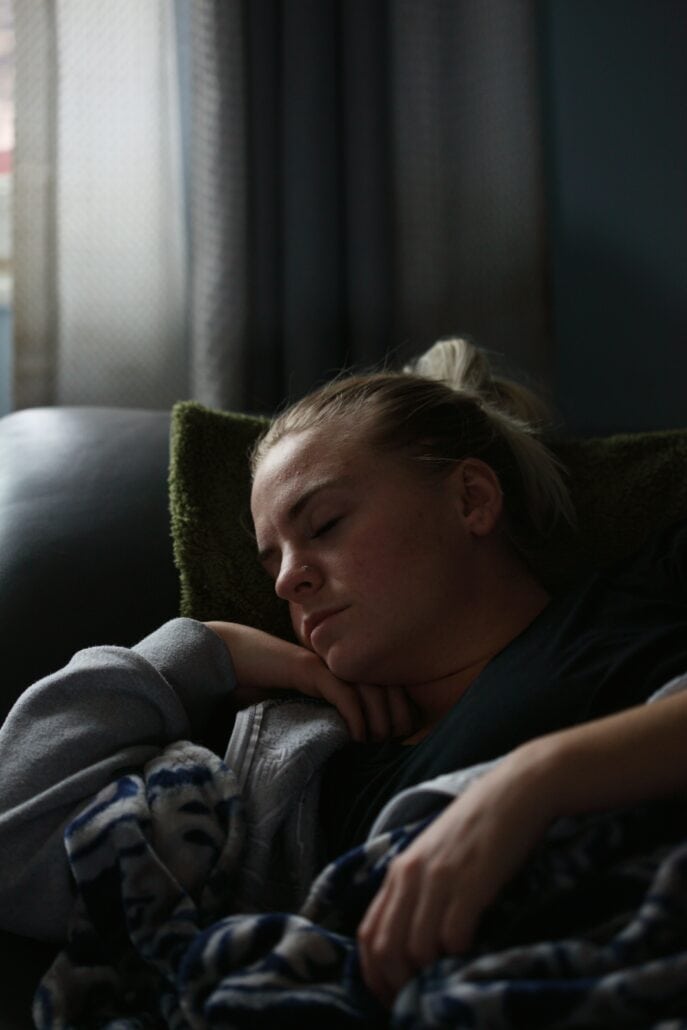
Why Should You Avoid Stopping Gabapentin Suddenly?
Stopping abruptly can increase seizure risk and trigger withdrawal symptoms. This is especially important if gabapentin helps control epilepsy.
A gradual reduction gives your clinician opportunities to review your response. The prescribing information describes tapering over at least one week, but this is not a universal seven-day plan. Some people need a longer, individualized approach.
Do not copy another person’s taper or change your dose based on a blog. A clinician should consider your reason for taking gabapentin, other medications, health conditions, and response to previous changes.
If you are running out, contact your prescriber and pharmacist promptly. Explain when your supply will end so they can advise you before an unplanned interruption.
How Can Other Substances Complicate Gabapentin Safety?
Tell your clinician about alcohol, opioids, sleep medications, benzodiazepines, supplements, and any nonprescribed substances you use.
The FDA warns about serious breathing problems with gabapentin in people with respiratory risk factors, including use of opioids or other central nervous system depressants.
This interaction risk is different from withdrawal. Both matter when planning care, and trying to manage discomfort with alcohol or borrowed sedatives can introduce additional danger.
Do not abruptly stop several prescribed medications on your own. Ask a clinician to coordinate any changes and clarify which symptoms require urgent help.
Honesty about substance use helps protect you. Your care team needs an accurate picture, not a perfect story.
When Is Gabapentin Withdrawal an Emergency?
Call 911 for a seizure, severe breathing difficulty, unresponsiveness, or immediate danger of self-harm. Severe confusion, hallucinations, or inability to stay safe also require emergency evaluation.
Slow or shallow breathing and extreme difficulty waking someone may indicate a medication-related emergency rather than withdrawal. Do not assume these symptoms are a normal part of stopping gabapentin.
For symptoms such as worsening anxiety, shaking, nausea, or insomnia after a medication change, contact your prescriber promptly. Seek urgent medical assessment if you cannot keep fluids down or symptoms are becoming difficult to manage.
You do not need to wait until symptoms become unbearable to ask for help.
How Is Gabapentin Withdrawal Managed?
Care begins with an assessment. A clinician needs to understand what you take, why you take it, and what happened before symptoms appeared.
Bring your medication list and, if possible, prescription containers. Useful details include:
- Your prescribed dose and what you have actually been taking
- The time of your last dose or recent reduction
- Your symptoms and when they began
- Other medications, alcohol, or substances used
- Previous seizures or difficulties stopping medication
Treatment planning may involve a supervised taper, follow-up appointments, and continued care for the original condition. If symptoms become difficult, contact the prescriber so the plan can be reviewed.
NICE guidance on withdrawal management supports individualized decisions and ongoing review. Its gabapentinoid recommendations do not cover treatment for epilepsy, which requires condition-specific clinical guidance.
Ask for written instructions, a contact number for concerns, and a clear follow-up plan. Knowing whom to call can make the process feel less overwhelming.

Do You Need Medical Detox for Gabapentin Withdrawal?
Not everyone needs inpatient detox. Some people can work with their prescribing clinician through outpatient care. Others may need closer monitoring based on symptoms, other substance use, medical concerns, or available support.
The appropriate setting should follow an assessment. Severe symptoms may require a hospital rather than admission to a detox facility.
Asheville Detox Center’s medical detox program describes individualized evaluation, 24-hour medical staffing, stabilization, and planning for continued care. Contact admissions to discuss whether the center can meet your specific gabapentin-related needs.
Before entering care, ask how medication management will be coordinated with your existing prescriber and what follow-up will look like.
Where Can You Find Support in Asheville, NC?
You may be worried about withdrawal, concerned about your medication use, or helping someone you love. You do not need to have every answer before starting a conversation.
Contact Asheville Detox Center to discuss your situation, available services, and the assessment process. Share your current symptoms and medication history so the team can help clarify next steps.
Getting support can begin with one straightforward statement: “I am concerned about stopping gabapentin, and I need help making a safe plan.”

Frequently Asked Questions About Gabapentin Withdrawal
Can gabapentin withdrawal happen when you take it as prescribed?
Yes. Physical dependence can develop during prescribed use. Withdrawal alone does not establish addiction or mean someone misused their medication.
Can gabapentin withdrawal cause anxiety and insomnia?
Yes. Anxiety and difficulty sleeping are recognized withdrawal symptoms. Tell your prescriber if they develop after missed doses or a reduction.
How long does gabapentin withdrawal last?
There is no fixed duration for everyone. Evidence is limited, and persistent or worsening symptoms need clinical review rather than comparison with an online timeline.
Is it safe to quit gabapentin cold turkey?
Do not stop abruptly without medical guidance. Sudden discontinuation can cause withdrawal and increase seizure risk. Ask your prescriber for an individualized plan.
Does everyone need a detox center to stop gabapentin?
No. Some people can reduce gabapentin with outpatient supervision. Others need more intensive care. A medical assessment helps determine the appropriate setting.