Maybe the pills were supposed to help you sleep. Maybe you thought you were taking Xanax, or you bought something online because anxiety had become difficult to manage. Now, missing a dose leaves you shaky, overwhelmed, or afraid of what comes next.
Designer benzodiazepine withdrawal can be dangerous, especially when the substance, strength, or ingredients are unknown. You do not need to know exactly what you took before asking for medical help.
For individuals and families in Asheville and Western North Carolina, understanding withdrawal can make the next step less intimidating. Here is what to know about symptoms, uncertain timelines, and finding appropriate support.
If you have been using benzodiazepines regularly, seek medical guidance before stopping or sharply reducing use. Call 911 for a seizure, severe confusion, difficulty breathing, or loss of consciousness.

What Are Designer Benzodiazepines?
Designer benzodiazepines, sometimes called novel or illicit benzodiazepines, are substances related to familiar prescription sedatives. Examples found in the illicit drug supply include bromazolam, clonazolam, flualprazolam, and flubromazolam. These are not interchangeable with medications dispensed by a licensed pharmacy.
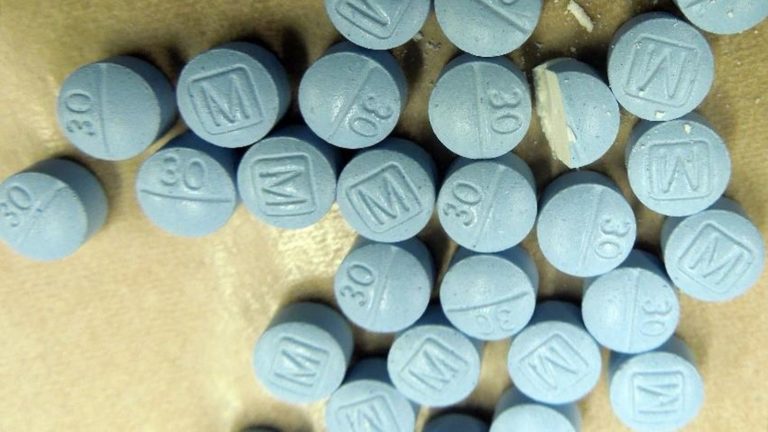
Some people knowingly buy these substances. Others encounter them in counterfeit tablets sold as prescription medication. The CDC’s report on counterfeit pills identifies illicit benzodiazepines and fentanyl among substances that counterfeit pills may contain.
That distinction matters: a familiar color, shape, or imprint does not establish a pill’s contents. Someone may believe they have consistently taken one medication while actually being exposed to different drugs.
When seeking help, describe what you were told the substance was, where it came from, and how you used it. It is okay to say, “I’m not sure.” Uncertainty is useful information for a clinician, not a reason to postpone care.
Why Does Designer Benzodiazepine Withdrawal Happen?
Benzodiazepines enhance the effects of GABA, a chemical messenger involved in calming brain activity. With repeated exposure, the body can adapt to their presence. Reducing or stopping use can then cause withdrawal.
This physical dependence is not automatically the same as addiction. A person can develop dependence without the behavioral pattern of compulsive use despite harm. Either situation deserves medical attention when withdrawal is possible.
The FDA’s benzodiazepine safety warning explains that dependence can develop even with prescribed use and that abrupt discontinuation can cause life-threatening seizures.
If you have continued taking pills because you feel unwell without them, tell your healthcare provider. You deserve a conversation about safety and support, without having to defend how you arrived here.
What Are Designer Benzodiazepine Withdrawal Symptoms?
Designer benzodiazepine withdrawal may resemble withdrawal from prescription benzodiazepines, although the specific experience can be harder to predict. Possible symptoms include:
- Anxiety, panic, irritability, or restlessness
- Insomnia and difficulty concentrating
- Shaking, sweating, or a racing heart
- Muscle pain, stiffness, or headaches
- Nausea, vomiting, or reduced appetite
- Increased sensitivity to light or sound
- Unusual sensations or changes in perception
Established benzodiazepine medication labeling describes these types of withdrawal effects. However, symptoms alone cannot identify which substance someone took.
Seizures, hallucinations, and delirium—severe confusion with changes in awareness—can occur in complicated withdrawal. These require urgent medical evaluation.
Do not assume that worsening anxiety is simply something to push through. If symptoms appear after missed doses or a reduction in use, contact a medical professional promptly and explain that benzodiazepine withdrawal may be involved.

Why Can Withdrawal Be Difficult to Predict?
Designer benzodiazepine withdrawal involves more uncertainty than withdrawal from a known prescription and dose. The CDC describes important differences in the properties of illicit benzodiazepines, including concerns about potency and poorly understood effects.
A pill count therefore does not reliably tell a clinician how much active drug someone received. Taking two tablets one day and two from another batch the next day may not represent equivalent exposure.
Mixed exposures also matter. When opioids are involved, profound sedation and slowed breathing can indicate overdose rather than withdrawal. If someone is difficult to wake or is breathing slowly, call 911 immediately. Give naloxone if available when opioid exposure is possible, and follow the dispatcher’s instructions. Naloxone reverses opioid effects; it does not reverse benzodiazepine sedation, so emergency care remains essential.
Trying to decide at home whether someone is “just withdrawing” can delay needed treatment. Describe what you observe and let emergency professionals assess the cause.
How Long Does Designer Benzodiazepine Withdrawal Last?
There is no reliable timeline that applies to every designer benzodiazepine. Research on many of these compounds is limited, and the duration of action may be unclear.
For context, World Health Organization withdrawal guidance describes prescription benzodiazepine withdrawal beginning approximately one to two days after stopping shorter-acting drugs and two to seven days after longer-acting drugs. Symptoms can continue for weeks or longer.
Those ranges are background information, not a schedule for designer benzodiazepine withdrawal. They cannot establish when a particular person is safe.
Symptoms may fluctuate instead of improving in a straight line. Feeling better briefly does not necessarily mean withdrawal has ended. Some people also experience prolonged sleep, mood, or concentration difficulties that warrant follow-up.
A short stabilization stay and a complete withdrawal plan are different things. Ask how ongoing symptoms and any continued taper will be managed after discharge, rather than assuming everything must resolve within a few days.
How Is Designer Benzodiazepine Withdrawal Treated?
Treatment begins with an assessment of current symptoms, substance exposure, medical history, and the safest setting for care. The ASAM-led benzodiazepine tapering guideline supports individualized, clinically supervised dose reductions instead of abrupt discontinuation for people who are physically dependent.
With illicit products, estimating an equivalent medication dose is especially difficult. Clinicians may use a regulated medication to stabilize symptoms and then adjust the plan based on the person’s response. This is not something to reproduce using online conversion charts or unregulated pills.
Standard drug screens may miss some novel benzodiazepines. A negative result does not automatically rule out exposure or withdrawal risk; the clinical history still matters.
At Asheville Detox Center, medical detox services include evaluation, individualized planning, and 24-hour medical support. An assessment helps determine whether the program can meet someone’s needs or whether hospital-level care is necessary.
You can ask questions before admission: Who will monitor symptoms? How will changes in the plan be explained? What happens if a higher level of care is needed?

What Should You Tell the Treatment Team?
It can feel uncomfortable to discuss pills bought online, changing doses, or substances you did not intend to take. You do not need a perfectly organized account to start the conversation.
Share whatever you know about:
- The product name and whether it was prescribed
- How often you used it and when you last took it
- Symptoms after missed doses or previous attempts to stop
- Alcohol, opioids, other drugs, medications, and supplements
- Previous seizures, medical conditions, and mental health concerns
You can also explain what makes treatment feel difficult right now. Perhaps you need help arranging transportation, discussing time away from work, or understanding costs. Asking about those details is reasonable. Getting support should include room for the practical concerns that affect your decisions.
Write down questions if you are worried you will forget them. A trusted person can help you explain the situation, with your permission.
For families, a useful starting point might be: “I’m worried about how you’re feeling, and I want to help you talk with someone who understands withdrawal.” Focus on getting an assessment rather than demanding an immediate promise to quit.
What Happens After Medical Detox?
Support for designer benzodiazepine withdrawal should include a plan for what comes next. The National Institute on Drug Abuse’s treatment principles explain that detoxification alone is generally insufficient treatment for addiction.
Depending on individual needs, continued care may involve therapy, treatment for anxiety or insomnia, medication follow-up, residential or outpatient services, and recovery support. Physical dependence without a substance use disorder may require a different follow-up plan.
Asheville Detox Center offers aftercare preparation to help clients identify suitable continued treatment.
Before leaving care, ask who will oversee any remaining taper, when your next appointment will happen, and whom to contact if symptoms change. Practical details matter, especially when you are still tired, anxious, or having trouble concentrating.

Where Can You Find Help in Asheville, NC?
If designer benzodiazepine withdrawal is affecting your life, you do not have to wait for a crisis to reach out. You may be worried about work, family responsibilities, or explaining what has been happening. Those concerns can be part of the conversation.
Contact Asheville Detox Center to discuss your situation and ask about an assessment. Be direct about current symptoms and any uncertainty about the substances involved. For severe symptoms or a suspected overdose, call 911 instead of waiting for an admissions response.
You do not need to have every answer today. Asking for help can begin with one honest sentence: “I want to stop, and I need help doing it safely.”