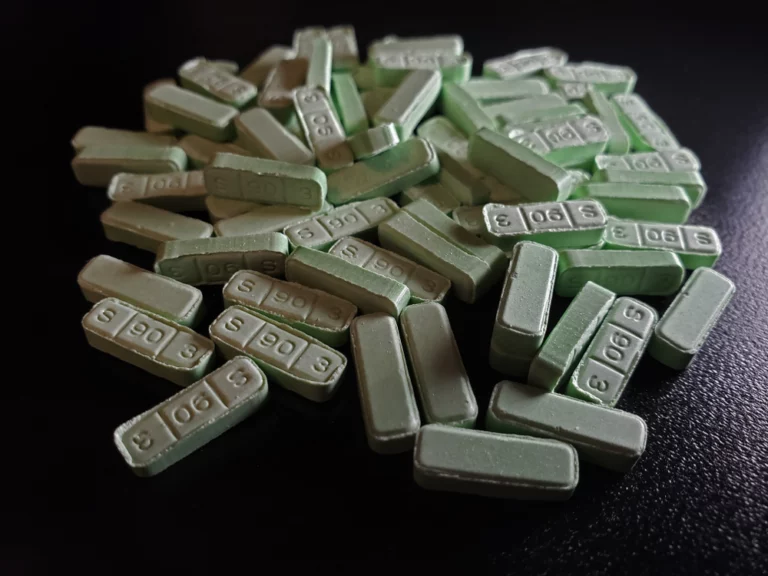
The process of fentanyl withdrawal and recovery can feel physically painful, emotionally overwhelming, and deeply isolating. For many individuals struggling with fentanyl addiction, the fear of withdrawal symptoms becomes one of the biggest reasons they continue using—even when they desperately want help.
Families and loved ones often feel helpless as they watch someone they care about become trapped in the cycle of opioid addiction. The reality is that fentanyl dependence changes both the brain and body, making it extremely difficult to stop using without professional support.
At Asheville Detox Center, we understand that healing begins with safety, compassion, and individualized care. Recovery is not about judgment or punishment—it is about helping people stabilize physically and emotionally while creating a foundation for long-term healing.
If you or someone you love is struggling with opioid addiction, learning more about fentanyl withdrawal and recovery can be the first step toward hope.

What Is Fentanyl?
Fentanyl is a synthetic opioid that is significantly more powerful than heroin or morphine. While prescription fentanyl may sometimes be used medically for severe pain management, illicit fentanyl has become increasingly common in the illegal drug supply throughout the United States.
Many people unknowingly consume fentanyl because it is often mixed into substances such as:
- Heroin
- Cocaine
- Methamphetamine
- Counterfeit prescription pills
- Other street drugs
Because fentanyl is extremely potent, even very small amounts can lead to overdose, respiratory depression, or rapid physical dependence.
As fentanyl use continues, the brain begins relying on the substance to regulate emotions, pain, stress, and dopamine production. This is what makes fentanyl withdrawal and recovery so physically and emotionally challenging without medical support.
Why Fentanyl Addiction Develops So Quickly
One reason fentanyl addiction can progress rapidly is because of how powerfully it affects the brain’s reward system.
Fentanyl creates an intense release of dopamine, producing feelings such as:
- Euphoria
- Emotional numbness
- Relaxation
- Temporary relief from stress
- Escape from emotional pain
Over time, the brain adapts to these surges in dopamine. As tolerance develops, individuals often require larger or more frequent amounts of fentanyl to achieve the same effects.
Eventually, many people are no longer using fentanyl to feel “high.” Instead, they continue using simply to avoid withdrawal symptoms.
This cycle can leave individuals feeling trapped, ashamed, exhausted, and hopeless.
At Asheville Detox Center, we believe addiction is not a moral failure. It is a serious medical condition that deserves compassionate and evidence-based care.
What Causes Fentanyl Withdrawal?
Withdrawal occurs when someone who has developed physical dependence on fentanyl suddenly stops using the drug or significantly reduces their use.
Because fentanyl changes how the nervous system functions, removing the drug can cause the body to react intensely while trying to regain balance.
Symptoms associated with fentanyl withdrawal and recovery can vary depending on factors such as:
- Duration of fentanyl use
- Dosage and frequency
- Co-occurring substance use
- Physical health
- Mental health conditions
- Previous withdrawal experiences
Many individuals continue using opioids simply because withdrawal symptoms feel unbearable. This is why medically supervised detox can be such an important first step in recovery.

Common Symptoms of Fentanyl Withdrawal
Withdrawal symptoms often begin within hours after the last dose of fentanyl.
For many people, symptoms can feel both physically painful and emotionally exhausting.
Early Symptoms of Fentanyl Withdrawal
Early withdrawal symptoms may include:
- Anxiety
- Restlessness
- Sweating
- Chills
- Muscle aches
- Runny nose
- Yawning
- Irritability
- Insomnia
- Intense cravings
These symptoms can quickly become overwhelming, especially for individuals already struggling with stress, trauma, anxiety, or depression.
Severe Symptoms During Fentanyl Withdrawal and Recovery
As withdrawal progresses, symptoms often intensify.
More severe symptoms may include:
- Nausea and vomiting
- Diarrhea
- Severe body pain
- Tremors
- Panic attacks
- Elevated heart rate
- High blood pressure
- Emotional distress
- Depression
- Extreme fatigue
- Dehydration
Although opioid withdrawal is not always considered medically fatal like alcohol or benzodiazepine withdrawal, complications can still occur—especially when relapse, dehydration, or mental health crises are involved.
This is why professional detox support can make a significant difference during fentanyl withdrawal and recovery.
The Emotional Side of Fentanyl Withdrawal and Recovery
The emotional impact of opioid addiction is often just as difficult as the physical symptoms.
Many people struggling with fentanyl addiction are also coping with:
- Trauma
- Anxiety
- Depression
- Chronic stress
- Burnout
- Grief
- Shame
- Isolation
When fentanyl leaves the body, those emotions often return intensely.
During withdrawal, individuals may experience:
- Hopelessness
- Fear
- Emotional numbness
- Anxiety
- Mood swings
- Depression
- Loneliness
Families and loved ones may also feel emotionally exhausted while trying to support someone through addiction.
At Asheville Detox Center, we understand that recovery involves more than physical stabilization. Emotional healing is a critical part of long-term recovery.

Why Medical Detox Is Important for Fentanyl Recovery
Attempting to detox from fentanyl alone can be incredibly difficult and dangerous.
Without professional support, many individuals relapse simply to stop the pain of withdrawal symptoms. Unfortunately, relapse after a short period of abstinence can significantly increase overdose risk because tolerance levels rapidly decrease.
A medically supervised detox program can help individuals safely manage withdrawal symptoms while receiving emotional and clinical support.
Benefits of Medical Detox for Fentanyl Withdrawal and Recovery
Medical detox programs may provide:
- 24/7 monitoring
- Medication-assisted treatment
- Hydration support
- Nutritional care
- Mental health stabilization
- Emotional support
- Sleep support
- Relapse prevention planning
Professional detox care can help individuals move through withdrawal in a safer and more comfortable environment.
At Asheville Detox Center, our goal is to help clients safely stabilize while preparing for the next steps in their recovery journey.
Medication-Assisted Treatment During Fentanyl Recovery
Medication-assisted treatment (MAT) can play a valuable role in long-term opioid recovery.
Certain medications may help individuals:
- Reduce cravings
- Ease withdrawal symptoms
- Stabilize brain chemistry
- Lower relapse risk
- Improve treatment retention
For many individuals, MAT provides the stability needed to begin focusing on emotional healing and lifestyle change.
Recovery looks different for everyone, which is why individualized treatment plans are so important during fentanyl withdrawal and recovery.
Healing Beyond Detox
Detox is an important first step—but lasting recovery usually involves much more than physical stabilization.
Long-term recovery often includes addressing the deeper emotional and psychological factors connected to addiction.
Many individuals benefit from therapies that help them process:
- Trauma
- Mental health conditions
- Relationship struggles
- Stress management
- Self-esteem challenges
- Emotional regulation
Without this deeper healing process, many people remain vulnerable to relapse.
At Asheville Detox Center, we believe recovery should support the whole person—not just the symptoms of addiction.
Holistic Approaches to Fentanyl Withdrawal and Recovery
Holistic support can help individuals reconnect with themselves mentally, emotionally, and physically throughout recovery.
Many people benefit from wellness-focused therapies such as:
Holistic Therapies That Support Recovery
- Yoga
- Meditation
- Mindfulness practices
- Breathwork
- Group therapy
- Individual counseling
- Nutritional support
- Nature-based activities
- Wellness services
These approaches can help individuals learn healthier coping strategies while reducing stress and improving emotional balance.
Recovery is not simply about avoiding substances—it is about rebuilding a meaningful and fulfilling life.
Supporting a Loved One Through Fentanyl Addiction Recovery
Watching someone struggle with fentanyl addiction can be heartbreaking for families and loved ones.
Parents, spouses, siblings, and friends often experience:
- Fear of overdose
- Emotional exhaustion
- Anxiety
- Burnout
- Financial stress
- Feelings of helplessness
If someone you love is struggling, compassionate support matters.
Ways to Support Someone During Fentanyl Withdrawal and Recovery
Helpful ways to support a loved one may include:
- Encouraging professional treatment
- Avoiding shame-based language
- Learning more about addiction
- Setting healthy boundaries
- Practicing patience and empathy
- Seeking support for yourself
Many individuals delay treatment because they feel ashamed or believe they are beyond help. Supportive conversations can sometimes become the moment that changes everything.
How Long Does Fentanyl Recovery Take?
There is no universal timeline for fentanyl withdrawal and recovery.
Some physical symptoms improve within days, while emotional healing and neurological recovery may continue for months or longer.
Recovery is a gradual process.
Many individuals continue experiencing:
- Cravings
- Sleep disturbances
- Mood swings
- Emotional sensitivity
- Anxiety
- Stress triggers
This does not mean recovery is failing—it simply means healing takes time.
At Asheville Detox Center, we believe every individual deserves support for as long as it takes to build lasting recovery.

Recovery Is Possible
Fentanyl addiction can make individuals and families feel hopeless, isolated, and exhausted—but recovery is possible.
Every day, people begin rebuilding their lives after opioid addiction. Healing does not require perfection. It simply begins with reaching out for help.
Whether someone is seeking detox for the first time or continuing their long-term recovery journey, compassionate support can provide the safety and structure needed to move forward.
No matter how overwhelming things may feel right now, you are not alone.
Begin Your Recovery Journey at Asheville Detox Center
At Asheville Detox Center, we understand how physically and emotionally difficult fentanyl withdrawal and recovery can be. Our medically supervised detox programs provide compassionate, individualized care designed to help clients safely stabilize while beginning the healing process.
Through evidence-based care, emotional support, and personalized treatment planning, we help individuals take the first steps toward long-term recovery with dignity and hope.
If you or someone you love is struggling with fentanyl addiction, help is available today.
Contact Asheville Detox Center or call our dedicated staff to learn more about fentanyl detox, opioid withdrawal treatment, and personalized recovery support in Asheville, North Carolina.