
In Tennessee, new legislation is bringing increased attention to kratom—a substance that has grown in popularity but remains widely misunderstood. With the state moving to ban kratom sales, many individuals are now facing an unexpected reality: what happens when access stops, and kratom withdrawals begin?
For those who have been using kratom regularly, this transition can feel overwhelming. At Asheville Detox Center, we understand that uncertainty. More importantly, we understand how critical it is to have the right support when your body begins adjusting to life without a substance.
Kratom withdrawals are real, and for many individuals, they can be both physically uncomfortable and emotionally taxing. Understanding what to expect—and how to safely navigate this process—can make all the difference.
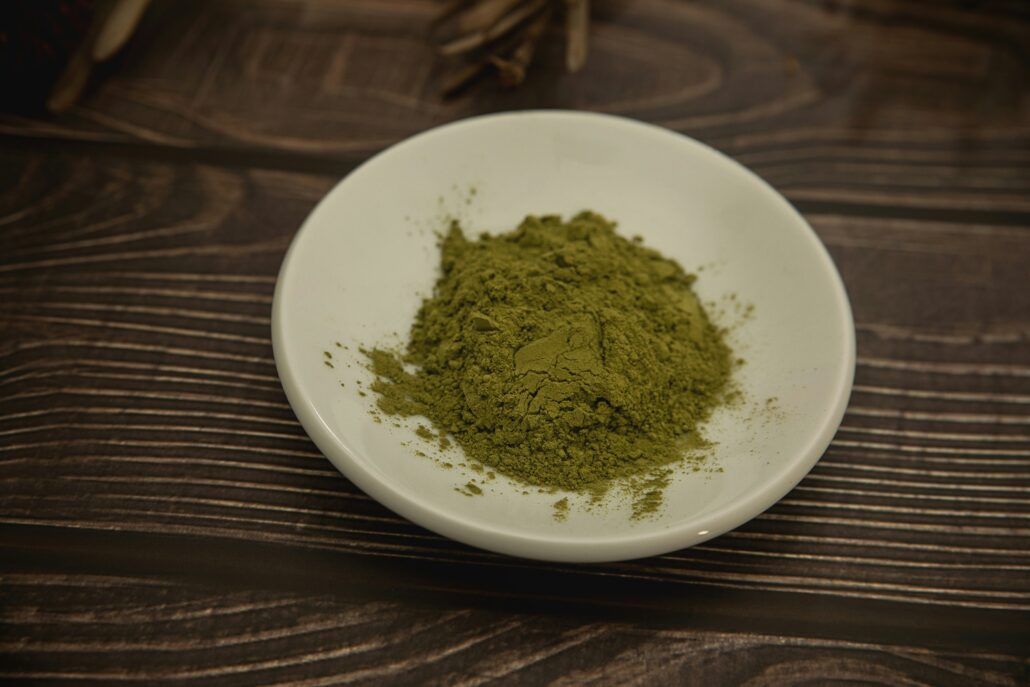
What Is Kratom?
Kratom is derived from the leaves of the Mitragyna speciosa tree, a plant native to Southeast Asia. For centuries, it has been used in traditional settings for its stimulating and pain-relieving effects.
In the United States, kratom is often marketed as a natural supplement. Many people turn to it for energy, mood enhancement, or pain relief. Others may use it as a way to manage symptoms related to opioid withdrawal.
However, despite its “natural” label, kratom interacts with the brain in ways that can lead to dependence—and ultimately, kratom withdrawals.
How Kratom Affects the Body
Kratom’s effects come from its active compounds, primarily mitragynine and 7-hydroxymitragynine. These compounds bind to opioid receptors in the brain, producing effects that can range from stimulation to sedation depending on the dose.
At lower doses, kratom can increase energy, focus, and sociability. At higher doses, it may create feelings of relaxation, pain relief, and even euphoria.
Because of this interaction with opioid receptors, repeated kratom use can lead the brain to rely on the substance to maintain a sense of balance. When kratom use is reduced or stopped, the body must adjust—leading to kratom withdrawals.
Why Tennessee Is Banning Kratom
Tennessee’s decision to ban kratom reflects growing concerns about its safety and lack of regulation.
Unlike prescription medications, kratom products are not standardized. This means potency can vary widely, and some products may contain contaminants or additional substances. These inconsistencies increase the risk of adverse effects and make it difficult for individuals to know exactly what they are consuming.
In recent years, there has also been an increase in reports of kratom dependence, kratom withdrawals, and medical complications associated with use. Emergency room visits and poison control reports have highlighted the need for greater oversight.
For individuals in Asheville and throughout Tennessee, this ban means that kratom may no longer be easily accessible—creating a situation where many people may experience sudden withdrawal symptoms.
What Are Kratom Withdrawals?
Kratom withdrawals occur when someone who has developed a dependence on kratom stops using it. Because kratom affects opioid receptors, the withdrawal process can resemble that of mild to moderate opioid withdrawal.
The experience of kratom withdrawals can vary from person to person. Factors such as how long you’ve been using kratom, how frequently you use it, and your overall health all play a role.
Common Symptoms of Kratom Withdrawals
Kratom withdrawals can impact both physical health and emotional well-being. While symptoms may vary in intensity, many individuals experience a combination of the following:
Physical Symptoms
- Muscle aches and tension
- Sweating and chills
- Nausea and digestive discomfort
- Diarrhea
- Fatigue and low energy
- Headaches
- Restlessness or tremors
Emotional and Psychological Symptoms
- Anxiety or unease
- Irritability
- Depression or low mood
- Difficulty sleeping or insomnia
- Lack of motivation
- Cravings for kratom
Symptoms typically begin within 12 to 24 hours after the last use and may last several days. In some cases, emotional symptoms may linger longer as the brain works to restore balance.

Why Detox Support Matters for Kratom Withdrawals
While some individuals attempt to manage kratom withdrawals on their own, this process can be challenging—especially when symptoms intensify.
A medically supported detox environment provides a safer, more comfortable way to navigate withdrawal. At Asheville Detox Center, our focus is on stabilization, safety, and support during this critical phase.
Detox is not just about removing a substance from the body—it’s about helping the body and mind begin to reset. With professional care, symptoms can be monitored and managed, reducing discomfort and lowering the risk of complications.
The Risks of Going Through Kratom Withdrawals Alone
Without proper support, kratom withdrawals can lead to several challenges:
- Increased Risk of Relapse: Discomfort may lead individuals to return to kratom use for relief
- Emotional Distress: Anxiety, depression, and irritability can feel overwhelming
- Sleep Disruption: Insomnia can worsen both physical and mental symptoms
- Substance Substitution: Some individuals may turn to other substances to cope
With Tennessee’s kratom ban approaching, these risks may become more common as individuals face abrupt changes in availability.
A Compassionate Approach to Detox
At Asheville Detox Center, we believe that detox should be approached with compassion, not judgment.
For many people, kratom use began as a way to cope—with pain, stress, or emotional discomfort. Understanding that context is essential to providing meaningful care.
Kratom withdrawals are not a failure—they are a natural response from a body that has adapted to a substance. With the right environment and support, that body can begin to heal.
What to Expect in a Detox Setting
Detox is often the first step in the recovery process, and it can set the foundation for long-term success.
At Asheville Detox Center, individuals experiencing kratom withdrawals can expect:
- A safe and supportive environment
- Clinical monitoring and symptom management
- Personalized care tailored to individual needs
- Emotional support throughout the withdrawal process
- Guidance on next steps in recovery
Our goal is to help you move through kratom withdrawals as comfortably and safely as possible while preparing you for the next phase of healing.

Supporting Your Body Through Kratom Withdrawals
In addition to professional care, there are ways to support your body during withdrawal:
- Hydration: Drinking water helps regulate body function and reduce fatigue
- Nutrition: Balanced meals support energy and recovery
- Rest: Sleep allows the body to repair and reset
- Gentle Movement: Light activity can reduce tension and improve mood
These small but meaningful steps can complement the detox process and help your body regain stability.
What This Means for Asheville Residents
The kratom ban in Tennessee may feel sudden, especially for those who have relied on it. But it also presents an opportunity to step back and evaluate your relationship with substances.
For individuals in Asheville, this moment can serve as a turning point—one that leads toward greater clarity, support, and long-term well-being.
If you’re concerned about kratom withdrawals, reaching out now can help you prepare and avoid unnecessary discomfort.
Moving Forward After Kratom Withdrawals
Kratom withdrawals are temporary, but the impact of moving through them with support can be long-lasting.
Detox is just the beginning. From there, continued care—whether through residential treatment, outpatient programs, or ongoing support—can help you build a life that feels balanced and sustainable.
At Asheville Detox Center, we’re here to help you take that first step with confidence.
Final Thoughts on Kratom Withdrawals
As Tennessee moves forward with banning kratom, it’s important to recognize the real effects this substance can have. While it may be marketed as natural, kratom can lead to dependence—and kratom withdrawals can be challenging without support.
If you or someone you love is facing kratom withdrawals, know that help is available. Healing is possible, and you don’t have to go through it alone.

Begin Detox with Asheville Detox Center
If you’re experiencing kratom withdrawals or preparing for the upcoming changes in Tennessee, Asheville Detox Center is here to support you.
Our experienced and compassionate team provides a safe, structured environment where you can begin the detox process with confidence. We focus on your comfort, your safety, and your long-term success—helping you move through withdrawal and into the next stage of recovery.
You don’t have to wait until symptoms become overwhelming. Take the first step today by reaching out to Asheville Detox Center.
A healthier, more stable future is possible—and it starts with the support you deserve.
You Don’t Have to Go Through Kratom Withdrawals Alone
If you’re facing kratom withdrawals—or anticipating them as Tennessee’s ban approaches—it’s understandable to feel uncertain about what comes next. Withdrawal can bring physical discomfort, emotional strain, and a sense of instability that’s difficult to manage on your own. But here’s the truth: you don’t have to go through this process alone.
Kratom withdrawals can affect both your body and your mind. You may experience fatigue, restlessness, changes in mood, or trouble sleeping. These symptoms can make even simple daily tasks feel overwhelming. But what you’re experiencing is not permanent—it’s your body working to rebalance itself. With the right support, that process can be safer, more comfortable, and far less isolating.
At Asheville Detox Center, we specialize in helping individuals navigate withdrawal with care, compassion, and clinical expertise. We understand that kratom use often begins as a way to cope—with stress, pain, or emotional challenges. That’s why our approach goes beyond symptom management. We focus on supporting you as a whole person, meeting you where you are without judgment.
In a medically supported detox environment, you don’t have to guess your way through kratom withdrawals. Our team provides continuous monitoring, personalized care, and a structured setting designed to help you stabilize both physically and emotionally. From the moment you arrive, your comfort and safety become our priority.
Detox is not the end of your journey—it’s the beginning of something new. It’s a chance to reset, regain clarity, and take the first step toward a more grounded and sustainable way of living. And while that first step can feel intimidating, it’s also one of the most important.
If you’re worried about kratom withdrawals, don’t wait until symptoms become overwhelming. Reaching out now can help you prepare, feel supported, and move forward with confidence.
Contact Asheville Detox Center or call us today to speak with a member of our team. We’re here to listen, to guide, and to support you every step of the way.
You deserve to feel stable, supported, and in control of your future—and that path can begin today.